
SIMULATIONS
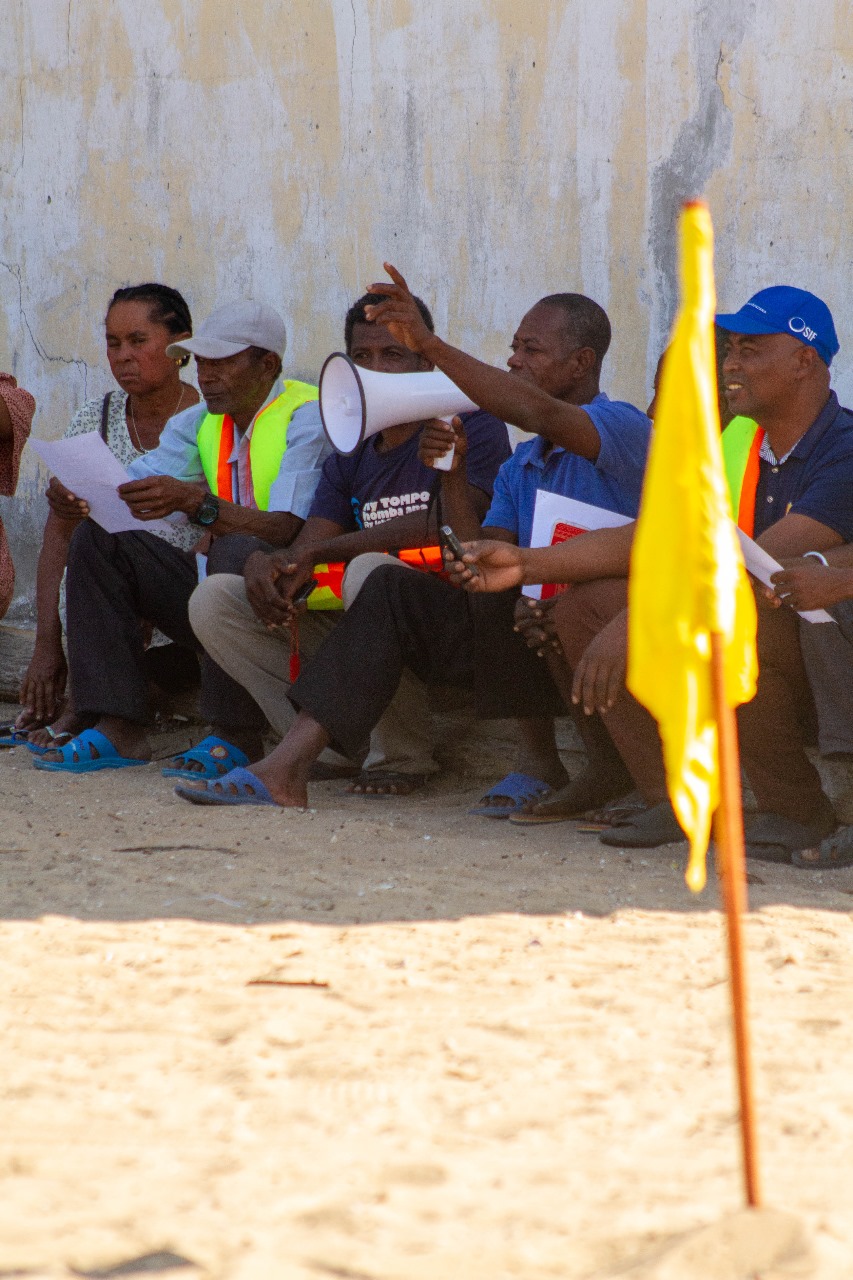
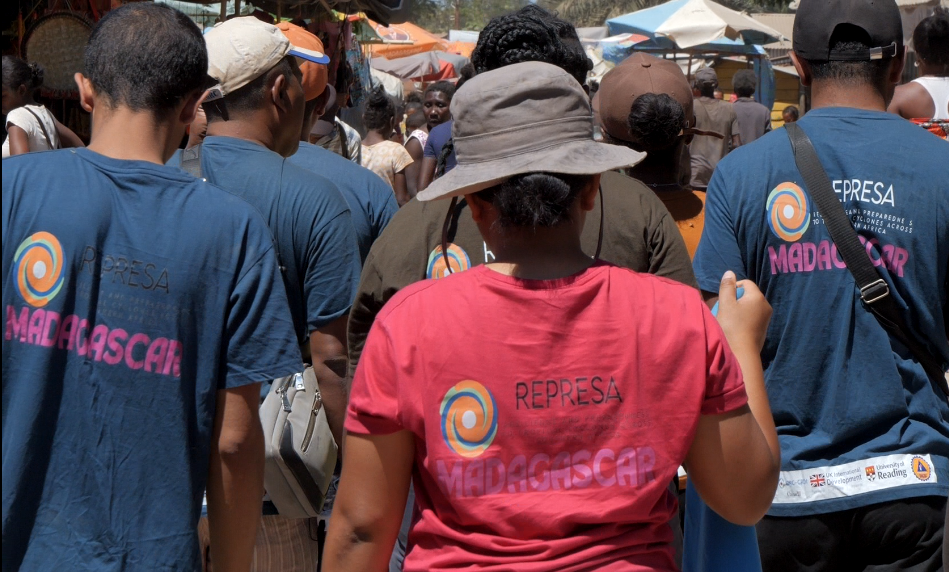
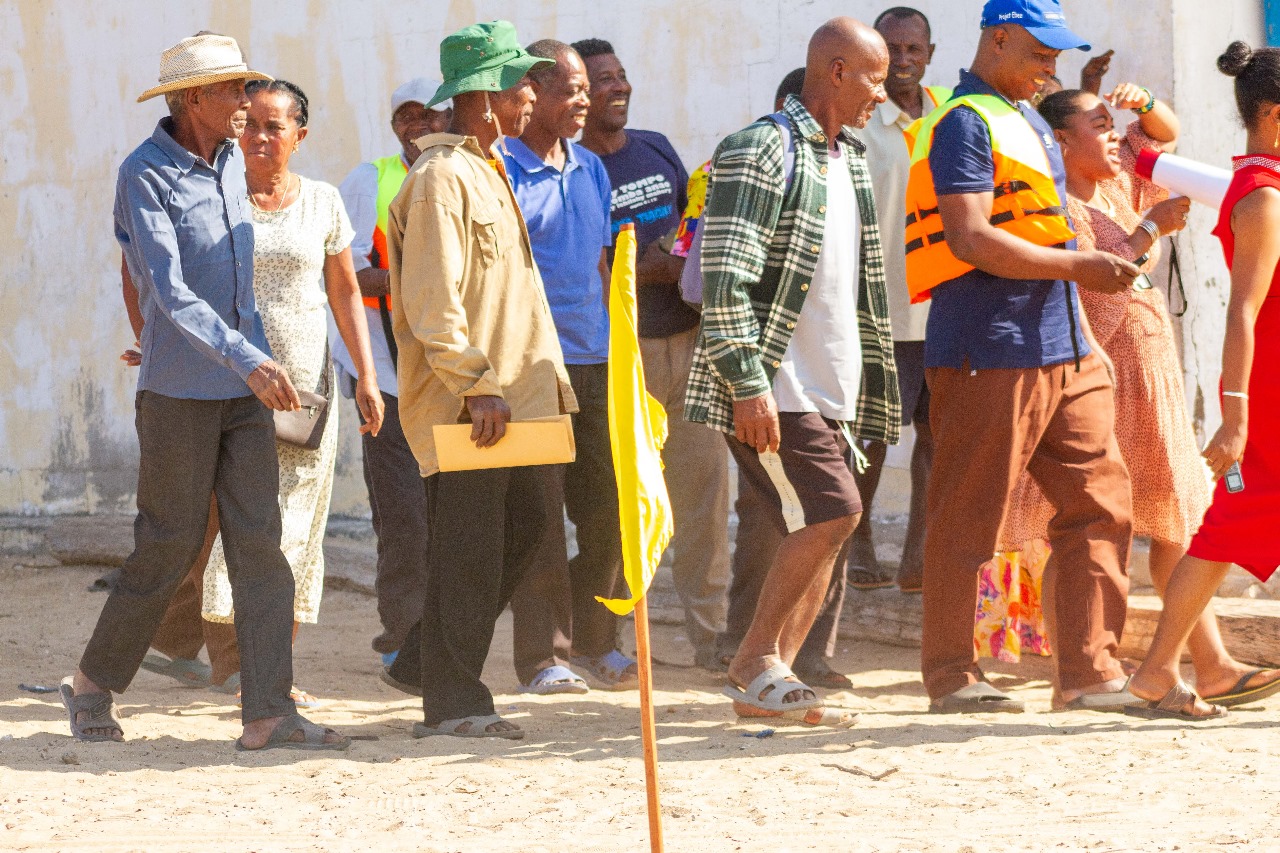
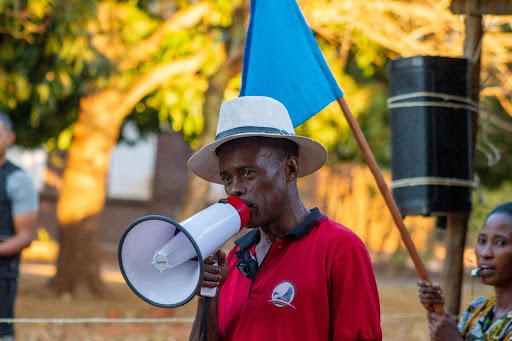
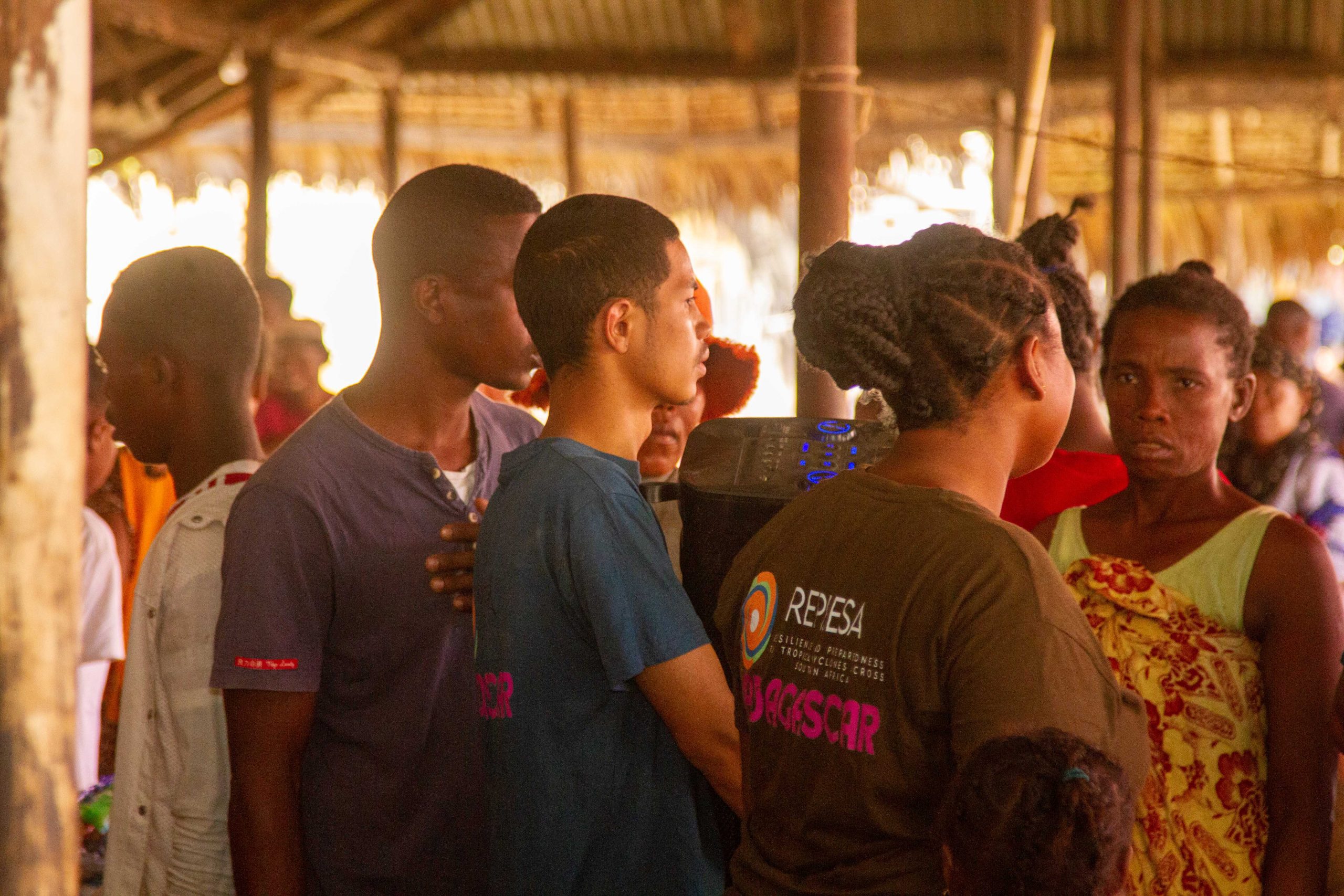
During our field visits, we organized Simulation Exercises in nine localities across Madagascar: Mananjary (Mananjary, Mahela, Ankatafana), Morombe (Morombe, Tanandava Station, Befandefa), and Mahajanga (Mitsinjo, Namakia, Antongomena Bevary). These activities aimed to enhance the local population’s knowledge and preparedness in disaster risk management (DRM) including Early Warning Systems, focusing on cyclones and floods. Through a mix of theoretical training and practical role-play scenarios, participants gained essential skills and insights into effective disaster response strategies.
What is a simulation?
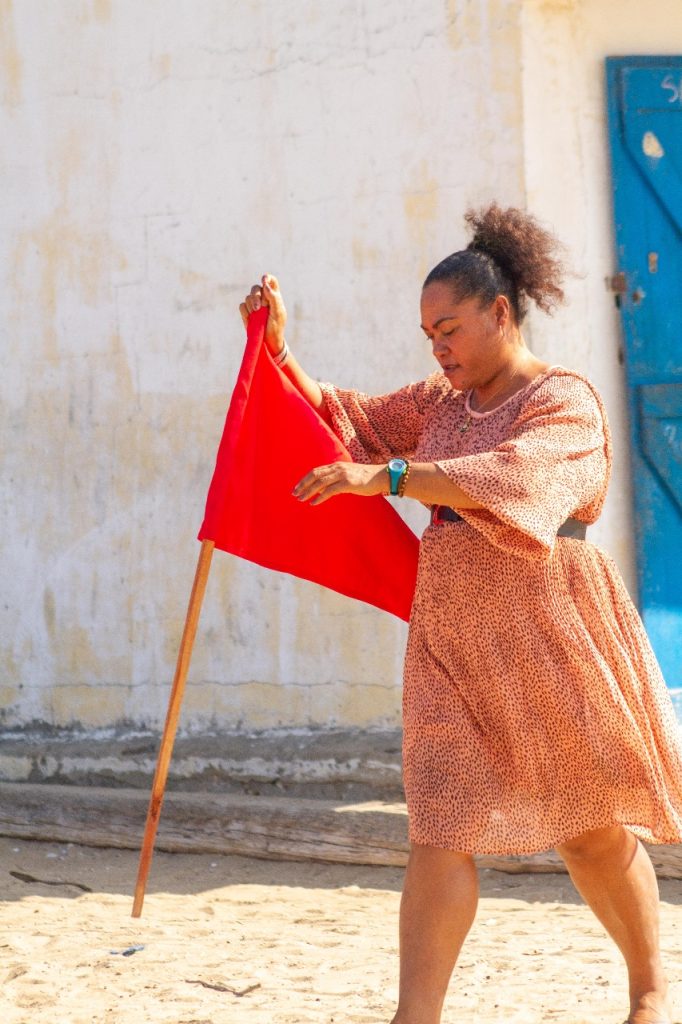
A simulation exercise is a participatory activity designed to recreate real-life disaster scenarios, such as cyclones and floods. It tests, trains, and evaluates community preparedness by engaging participants in realistic simulations. These exercises provide a controlled environment where participants can build essential skills, identify gaps in preparedness, and enhance coordination among all actors involved.
Key objectives of a simulation
The primary aim of simulation is to strengthen the disaster management capabilities of local communities and stakeholders. It achieves this by:
- Testing preparedness levels among authorities, risk management teams, and communities under realistic conditions.
- Identifying weaknesses in emergency plans, procedures, and participant skills, enabling targeted corrective measures.
- Enhancing coordination and clarifying roles among key actors such as local authorities, emergency services, and community representatives.
- Providing a safe environment for participants to learn practical skills and understand mistakes without real-world consequences.
- Teaching participants collective and individual decision-making under pressure to improve their response in high-stress scenarios.
- Fostering continuous improvement through performance evaluation and feedback.
Expected results
By the end of the simulation exercises activities, participants should demonstrate improved understanding of DRM protocols, including EWS cyclone and flood measures. Local leaders and communities should be empowered to initiate sectoral activities autonomously before, during, and after disasters. The training should also clarify roles and responsibilities through the Rapid Response Matrix, laying the foundation for a more effective community-based disaster response system.