

A fragile but emerging path to adaptation
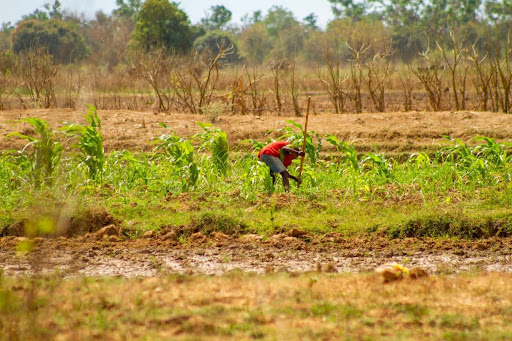
The commune of Matsakabanja in western Madagascar, once known for its rich agricultural production and livestock now finds itself on the frontlines of climate disruption. The local economy, once sustained by predictable weather and fertile lands, is undergoing a profound transformation as the effects of climate change intensify. The shifts are not subtle. In recent years, the commune has faced drastic declines in rainfall, with annual precipitation dropping from 2,000 mm to just 500 mm in 2023. Where the first rains once arrived in August, they now fall—unreliably—in October, if at all. This change has upended the agricultural calendar, delayed planting, reduced yields, and deepened food insecurity.
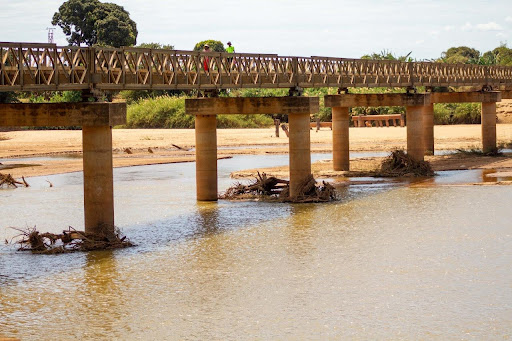
Flooding adds another layer of disruption. The Antongomenabevary dike, once a vital barrier against seasonal waters, is now failing. Cracks and weaknesses in its structure have led to recurring floods, which wash away topsoil and inundate cropland. The consequences are severe: around 600 hectares of rice paddies and sugarcane fields are currently unusable due to sediment buildup. These agricultural losses are not simply environmental—they are deeply economic, undermining the livelihoods of thousands and reducing the commune’s capacity to feed itself.
In response, the population is making efforts to adapt, but those efforts are hampered by a lack of resources and support. Modern adaptation technologies—such as drought-tolerant seeds, water-efficient irrigation systems, or improved soil management—remain scarce. The diffusion of such tools is slow, constrained by poverty, limited infrastructure, and weak institutional support. While communities are doing what they can—relying on traditional knowledge, shifting planting cycles, or modifying food storage practices—the scale of the challenge often exceeds local capacity. In this context, adaptation is happening, but it is fragile and uneven.
The Impacts Are Not the Same for Everyone :
When the water rises, women and children are among the most vulnerable—especially mothers and school-aged children. Villages become flooded as soon as it rains. Women are unable to farm when the land is submerged, which leads to the loss of crops. Children suffer from diarrhea and become ill due to a lack of hygiene and access to clean drinking water.
An elder recalls:
“In 1991, the area was completely submerged, and all roads were cut off. Many people got sick, and some even died because there were no means of transportation to provide aid.”
Moreover, there are significant gaps in how different groups are supported and protected. In the shelters, displaced people are not accommodated according to their specific needs: men and women, children, people with disabilities, the elderly, and pregnant women are all grouped together in the same space. This undermines human dignity — even changing clothes becomes a real challenge.
The social fabric of Matsakabanja is also shifting. As climate conditions worsen in southern Madagascar, many families from the south are migrating to Matsakabanja in search of more stable living conditions. Previously, migration flows into the area were dominated by Sakalava and Tsimihety communities, along with smaller groups from the southeast. Now, southern migrants—also victims of environmental stress—are arriving in greater numbers. Importantly, relations between migrants and the local population have remained peaceful and cooperative, reflecting a strong culture of hospitality and mutual aid. However, this trend raises important questions for future planning: How will local services adapt to rising demand? Will land and water resources become points of contention? And can migration be integrated into local development planning rather than treated as a peripheral issue?
Alongside these demographic shifts, there have been notable efforts to strengthen community preparedness. We have been setting up local early warning system (Système d’Alerte Précoce, or SAP) to help residents anticipate natural disasters. Our communication-packed strategy integrates the national EWS using a color-coded flag system—green for safety, yellow for alert, red for danger—the SAP helps communities understand when to take action. Public education campaigns have been launched to explain how the system works, where flags are placed, and what steps to follow in an emergency. Additional awareness-raising efforts have focused on proper behavior in evacuation shelters, hygiene practices, protection of vulnerable populations (including pregnant women, the elderly, and people with disabilities), and the importance of collective responsibility during a crisis.
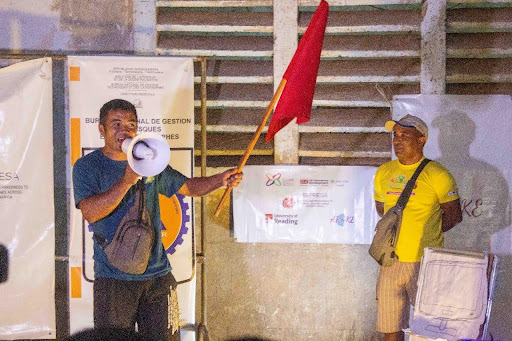
These programs represent meaningful progress, but they also highlight deeper structural gaps. Public understanding of risks is growing, yet the means to act on that knowledge remain limited. In many cases, people know what should be done, but lack the infrastructure, financial support, or institutional backing to implement those actions effectively. Local authorities and gendarmes play an essential role during emergencies, providing security, assisting displaced families, and relaying critical information. However, coordination across agencies, consistency in funding, and long-term strategic planning remain challenges.
What Matsakabanja reveals is a pattern found in many climate-vulnerable rural regions: adaptation is occurring, but under significant strain. Communities are not waiting passively—they are learning, improvising, and coping. Yet without significant investment in infrastructure, technological capacity, and institutional coordination, local adaptation efforts may falter under the weight of climate extremes.
More broadly, Matsakabanja’s experience offers valuable insights for national and international climate strategies. Infrastructure investment—particularly in flood defense and water management—is critical. Traditional knowledge systems, like those preserved by Sakalava elders, should be documented and integrated into broader resilience frameworks. Migration should be treated as both a coping mechanism and a development variable, not
merely as an emergency response. And above all, resilience must be understood as a dynamic process—not a fixed state—requiring continuous learning, community engagement, and policy support.
Mitsinjo is adapting, but the process remains precarious. The seeds of resilience are there—in local initiative, cultural memory, and social solidarity—but they must be nurtured with external support. Policymakers, donors, and development actors have a role to play in reinforcing what communities are already doing: building systems that can withstand the climate shocks of today while preparing for the even greater ones to come.
This blog was written based on the insights gathered during a radio program conducted in Mitsinjo as part of our field mission.
You can listen to it by clicking here — the program is called “Karoke.”
By Ny Ony Patricia ANDRIAMAHENINTSOA & Dr Velomahanina Tahinjanahary RAZAKAMAHARAVO