

Why children matter in early warning systems – ARAKE's SAP Kiddo model
Why include children in early warning systems?
In Madagascar, climate hazards such as tropical cyclones, floods, and droughts strike every year. This endangers children, particularly affecting their education, health and safety. The ARAKE team has realized that these children should not be categorized merely as vulnerable individuals, but are among those who have great power to improve their environment. This was observed through the participation of these children and ARAKE's use of 'active pedagogy'.
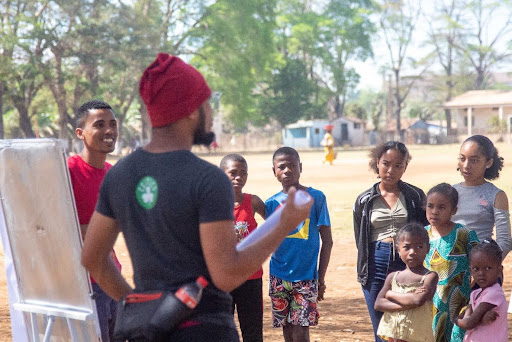
Warning is no longer solely the business of adults
When considered as children, they can think of specific situations that adults do not understand, and they were able to demonstrate their abilities and discuss these during the sessions and workshops. Through the SAP Kiddo guide, ARAKE proves that children have their own say in disaster management. This guide is provided to various partners accordingly so that these children can be placed at the heart of early warning systems.
The use of appropriate tools for children and trusting them from a young age will enable them to become responsible within their surrounding community and saviors of the nation one day.
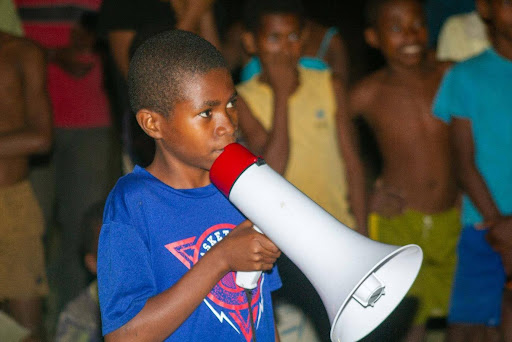
Rethinking 'risk': Why children matter in early warning systems
Looking at common practice, early warning systems are intended for adults and made by adults. However, this does not give much value to the specific considerations of children, their needs, and their own capabilities. Yet in an emergency, children are the first affected, but their opinions are rarely sought. This represents a major flaw in terms of equity and effectiveness. In this regard, the SAP Kiddo program overturns this notion by proving that children perceive a higher level of risk that adults do not even see. Understanding children's behavior accordingly will make it possible to turn them into effective channels for transmitting information within their community, and most importantly, they will be able to take action if trained beforehand on what to do.
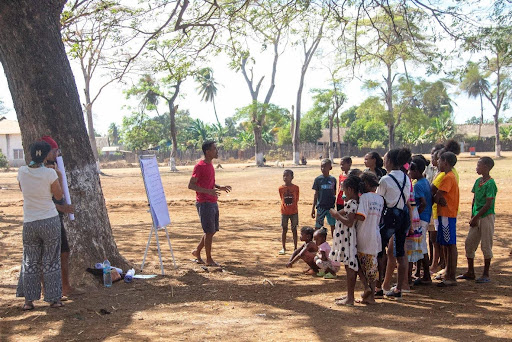
These findings recognize children as an untapped potential source of resilience and they are no longer seen as mere passive recipients of humanitarian aid. By using the right tools and a well-thought-out approach, SAP Kiddo transforms children into genuine actors of their own safety, proving the effectiveness of early warning systems through the active participation of children.
SAP Kiddo reveals several key lessons through its active participation in risk education and preparedness:
- Children perceive and interpret risk in ways adults do not expect.
- They are very effective in transmitting information to their peers and families.
- When trained, they can take action rather than just waiting for help.
This challenges the long-held belief in disaster management that children are among those who should simply be helped. That is no longer true. If they are given trust and effective tools, they can become a major force in preparedness.
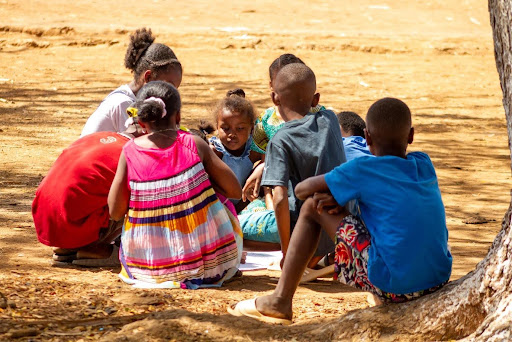
SAP Kiddo in Action: From learning to leadership
Through experiments, workshops, and engaging communication methods, SAP Kiddo implements several teaching techniques in vulnerable areas such as Mananjary, Morombe, Mitsinjo, Ankarafantsika, Toliara, and Antananarivo Atsimondrano. This is done so that children can understand the characteristics of early warning systems, learn advance indicators of possible disasters, adopt appropriate responses, and transmit warnings within their community. This is done through engaging experiments, workshops, and practical drills.
SAP Kiddo uses engaging teaching methods — including stories, games, and practical drills — to help children:
- Understand how early warning systems work;
- Identify warning signs;
- Know the right actions to take when facing a disaster;
- Transmit warnings to others.
Most importantly, children are encouraged to express their specific vulnerabilities — such as fear, separation anxiety, or limited mobility — which are often absent from guidelines and instructions intended for adults. This feedback improves the inclusiveness and effectiveness of response strategies.
A statement that comes from the realization that disaster risk management should now place children at the heart of 'Community Resilience'.
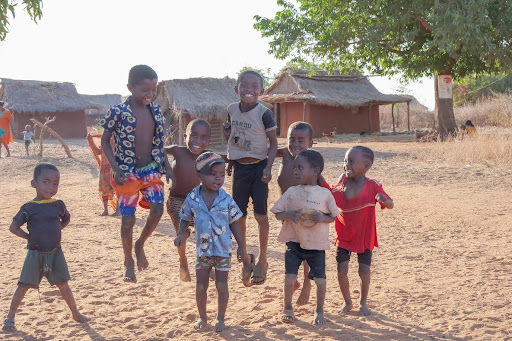
A model for child-centered disaster risk management
The SAP Kiddo guide provides practical guidance for educators, disaster management agencies, and local authorities. It outlines concrete steps to:
- Integrate teaching about early warning systems into school curricula;
- Involve children in experiments or 'simulations' within the community;
- Adapt communication strategies to suit and balance children's needs;
- Establish feedback mechanisms that allow children to voice their opinions on preparedness and various policy strategies.
This does not mean it remains an additional 'child-friendly' point after the fact — but rather designing risk management systems with children as a priority from the very beginning of that design.
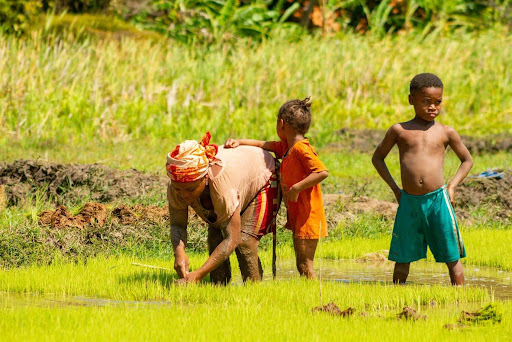
From preparedness to empowerment
The gradual empowerment of children through education on early warning systems produces multiple effects:
- It improves the accuracy of information flow within families and the neighborhood;
- It increases the area covered by disaster warnings;
- It fosters a culture of shared responsibility from a young age.
Not only are they better protected — they become future decision-makers who carry forward the culture of 'resilience'.
'A child prepared today is a sustainable leader tomorrow.'
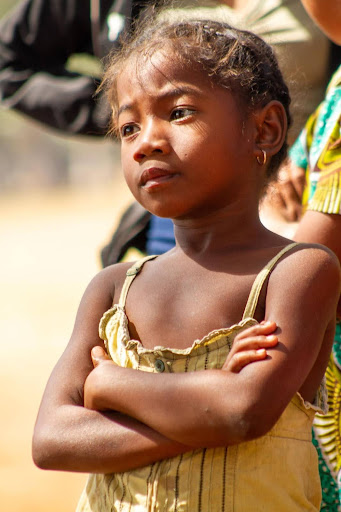
Outlook for the future: from local innovation to global inspiration
In this world totally dependent on climate, reducing disaster risk for children is not a luxury — it is a top priority.
SAP Kiddo shows how to bring innovation from the grassroots, starting from the reality of being highly threatened as experienced in Madagascar, in order to improve global coping strategies. This program completely overturns the mindset that children are merely vulnerable; they are truly essential.
Including children in early warning systems is not just a simple gesture. It is an important solution, based on concrete evidence, drawn from stronger, more responsive, and fully inclusive response systems.
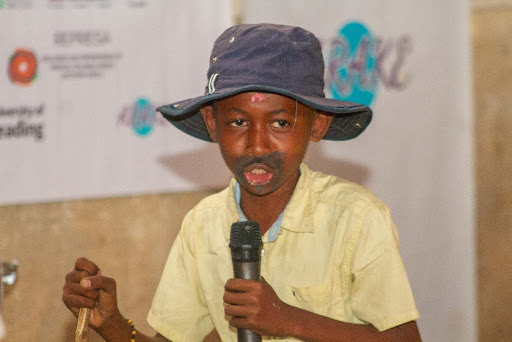
Would you like to know more about how SAP Kiddo works in practice or how to apply this model in your area? Contact ARAKE to access case studies and training materials.