

Cyclone Batsirai struck Mananjary with unprecedented force, leaving a mark on the region unlike anything seen in the past 30 years. Beyond the physical destruction and human loss, this natural disaster shed light on the deep social, cultural, and climate challenges faced by local communities. Yet, it also revealed a remarkable capacity for resilience—rooted in solidarity and the enduring power of tradition.
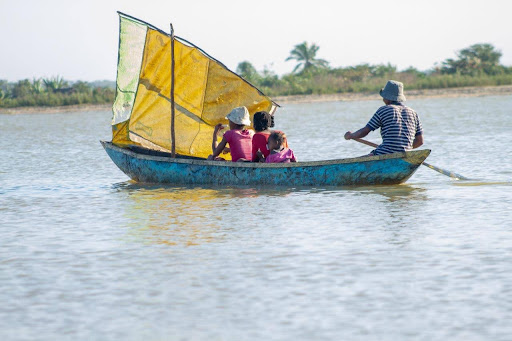
The Most Devastating Cyclone in 30 Years
- Widespread flooding: Rivers and the sea merged, submerging the town.
- Severe destruction: Schools, public infrastructure, and even the tranompokonolona were destroyed.
- Education disrupted: Loss of school supplies threatens learning continuity.
- Mass displacement: Many families were forced to flee their homes.
- Health impacts: Both physical and psychological trauma affected the population.
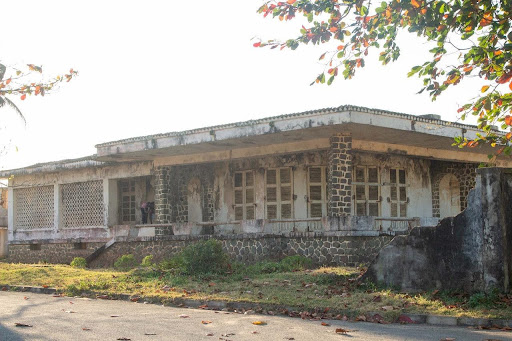
"Batsirai was the most severe cyclone to strike Madagascar in the past 30 years."
— Rakotoson Dominique, Météo Madagascar
Response Mechanisms and Coordination
- Météo Madagascar delivered emergency alerts and vital data.
- CRGRC ensured the safe evacuation of residents.
- BNGRC, in coordination with IOGA, led risk management operations.
- Scouts supported relocation and rehabilitation efforts.
Climate Change: A Driver of Disasters
Rising ocean temperatures are fueling more frequent and intense cyclones, worsening existing vulnerabilities:
- Greater risk of famine.
- Loss of key crops such as coffee and cloves.
- Increased reliance on humanitarian aid (Tosika Fameno).
- Long-term damage to infrastructure.
Tradition Meets Modernity in Times of Crisis
Traditional leaders (Ampanjaka) and spiritual assistants (Katibo) played a vital role in spiritual responses to the crisis:
- Prayers to Zanahary and the Razana at sacred sites like Valamena.
- Observation of natural warning signs (e.g., the appearance of a snake).
- Ritual offerings (fanatitra) to ward off misfortune.
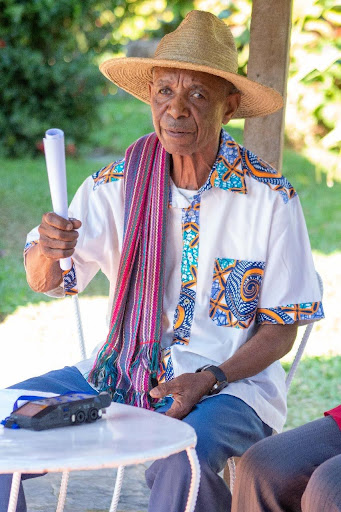
According to traditional leaders, the rising frequency of cyclones reflects spiritual decline—less prayer, disrespect of ancestors, and normalization of disasters.
Strengthening Resilience Together
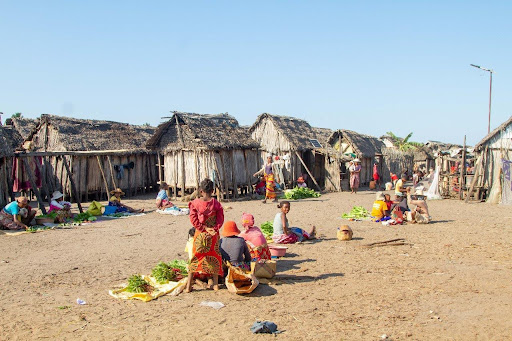
The Batsirai experience reminds us that cyclones are not only meteorological events, but also deeply human and cultural trials. To better prepare for the future, we must:
- Strengthen early warning systems.
- Respect and integrate traditional knowledge.
- Foster community solidarity.
"To prepare is to save lives. To honor our traditions is to strengthen our future."
By SAHOLIARISOA Rebeckah & Dr Velomahanina Tahinjanahary RAZAKAMAHARAVO