
How we center communities in climate resilience?
In our work on Early Warning Systems (EWS) and climate change adaptation, we do not just collect data—we collaborate, listen, and act. By blending interdisciplinarity, intersectionality, ethics, and community empowerment, we turn research into action that truly matters for the communities most affected by climate risks. Here is how:
Breaking silos with interdisciplinary research
Climate change does not respect boundaries, so neither do we. Our team of researchers combines
the expertise of environmental scientists, climatologists, social science researchers, community
organizers and many more. For instance, when studying flood-prone areas, we used scientific
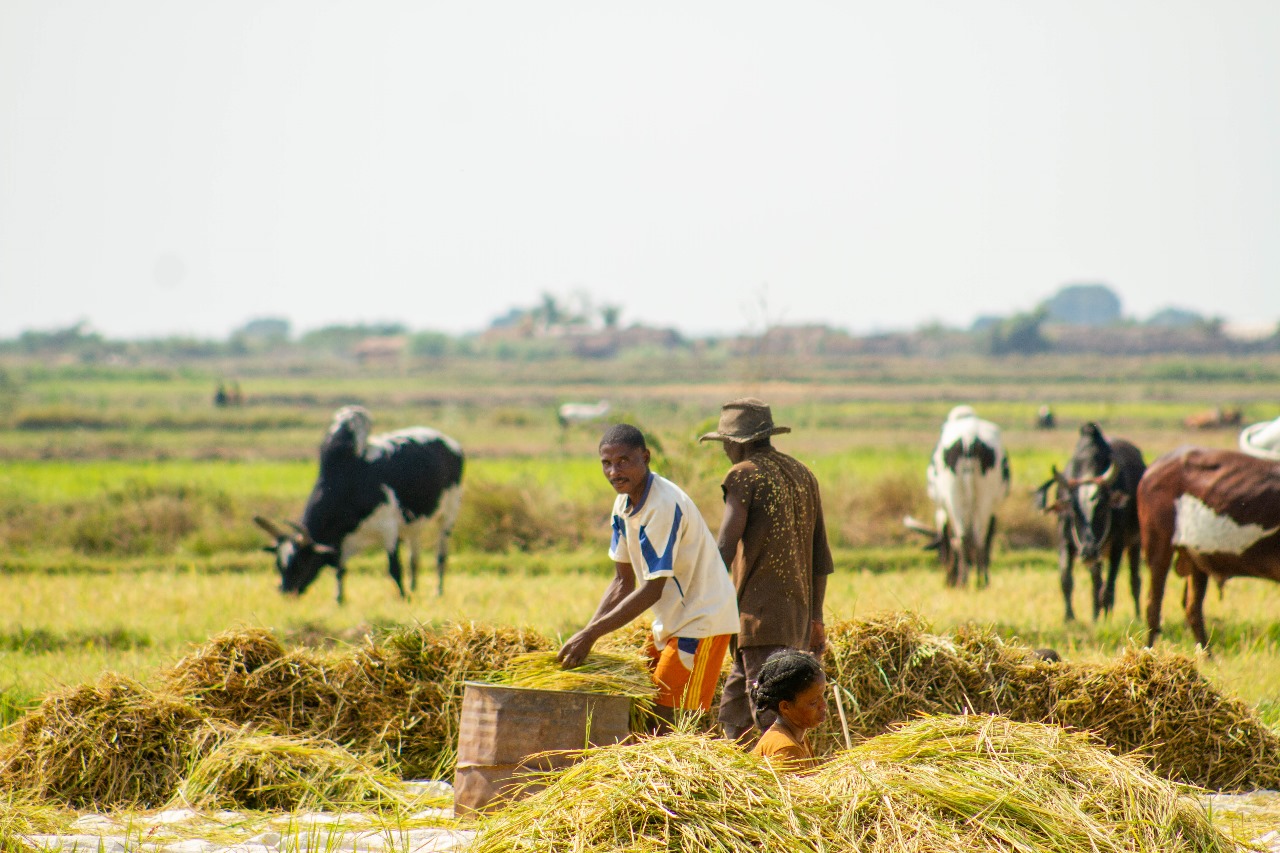
mapping tools alongside community narratives to uncover how geography and social vulnerability
intersect. This gave us a fuller picture of risks and potential solutions.
Spotlighting intersectionality
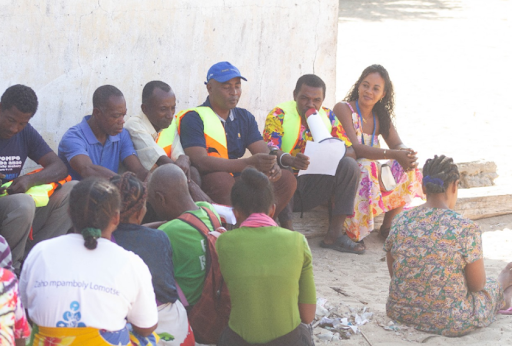
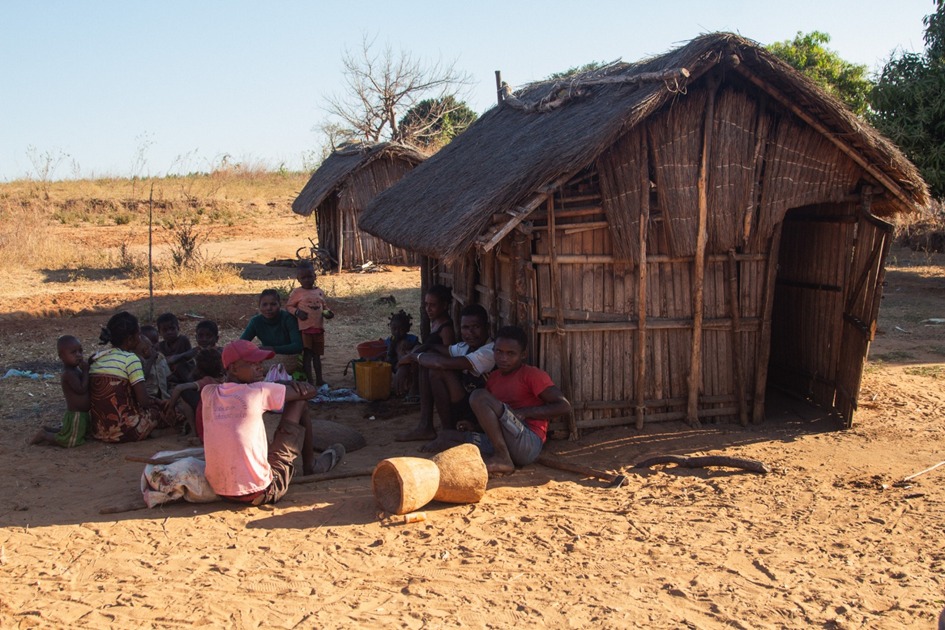
We believe no one should be invisible in the face of climate change. In one community, we organized mixed and separate narrative workshops including women, elders, youth, children and more to understand how different groups experience climate risks and access EWS. By weaving these perspectives together, we are designing solutions that worked for everyone.
Ethics as our compass
We know that research must be rooted in respect. That is why we ensure every participant understands their role and the purpose of the study. During a participatory mapping exercise, we worked with local leaders to uphold cultural protocols, building trust that encouraged open dialogue. Ethical engagement is not just about following rules—it is about ensuring communities feel valued and heard.
Empowering communities through action
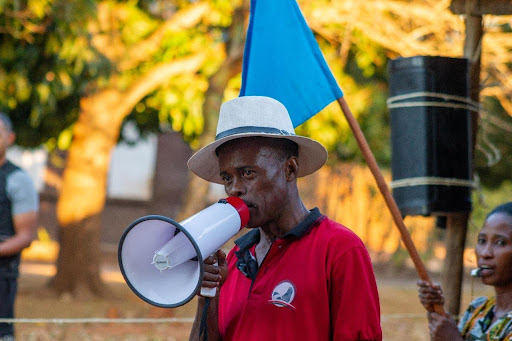
In all our activities, the goal is to leave communities stronger. One of our favorite moments was during a workshop on improving early warning systems, where community members design their own cyclone preparedness plans. Seeing women and youth step up with ideas, from local alarm systems to resource-sharing networks, was proof of the power of co-creation.
Learning and acting together
Our action research does not end with reports—it sparks real change. When we identified gaps in flood warning dissemination, we immediately collaborated with the local communities to test new communication strategies. These quick wins demonstrate how research can directly support communities in building resilience.
By centering the voices of those most affected and combining knowledge from multiple fields, we are not just studying climate challenges—we are helping communities adapt and thrive. Together, we are turning research into action and action into empowerment.