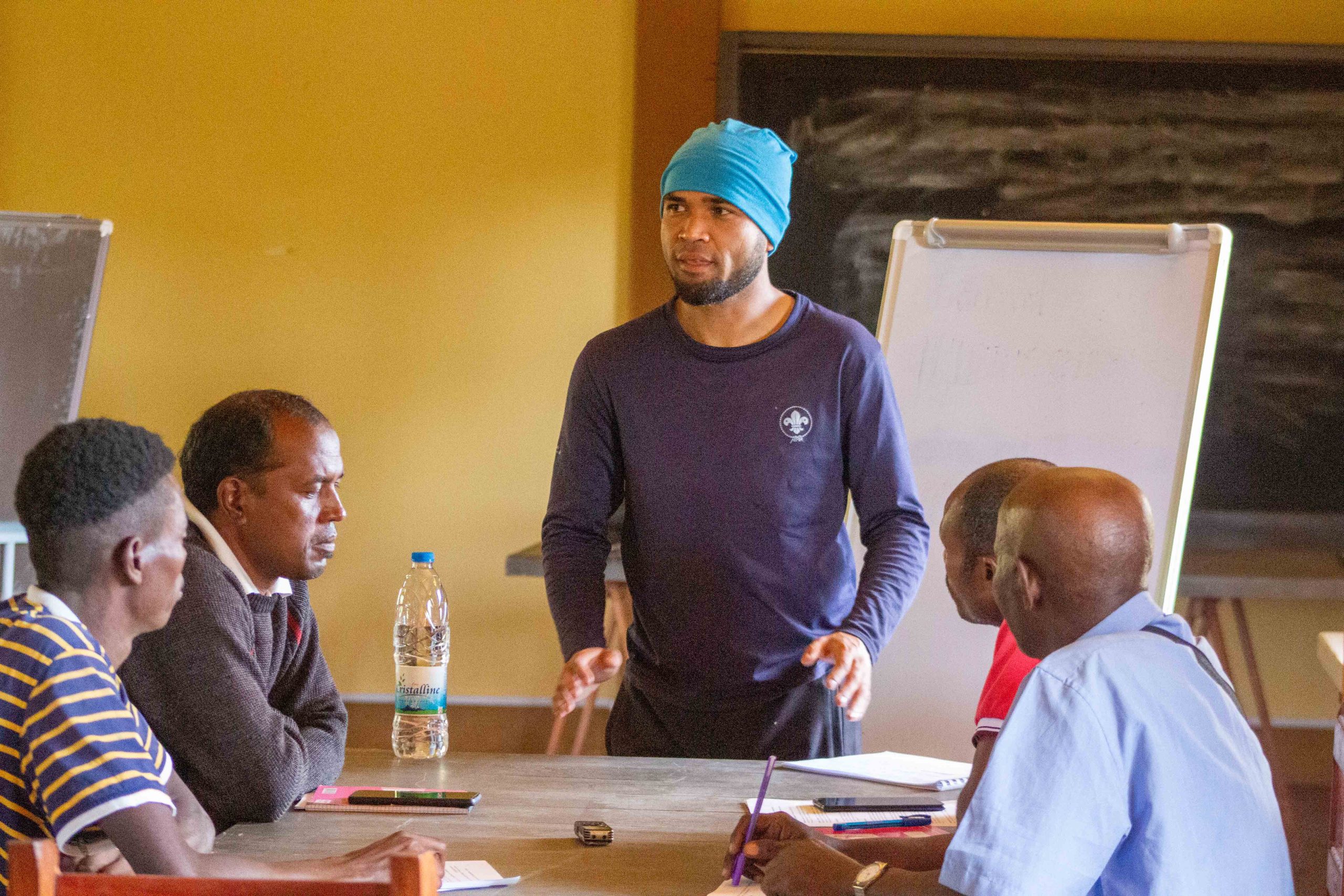

Capturing stories for deeper insights through storytelling
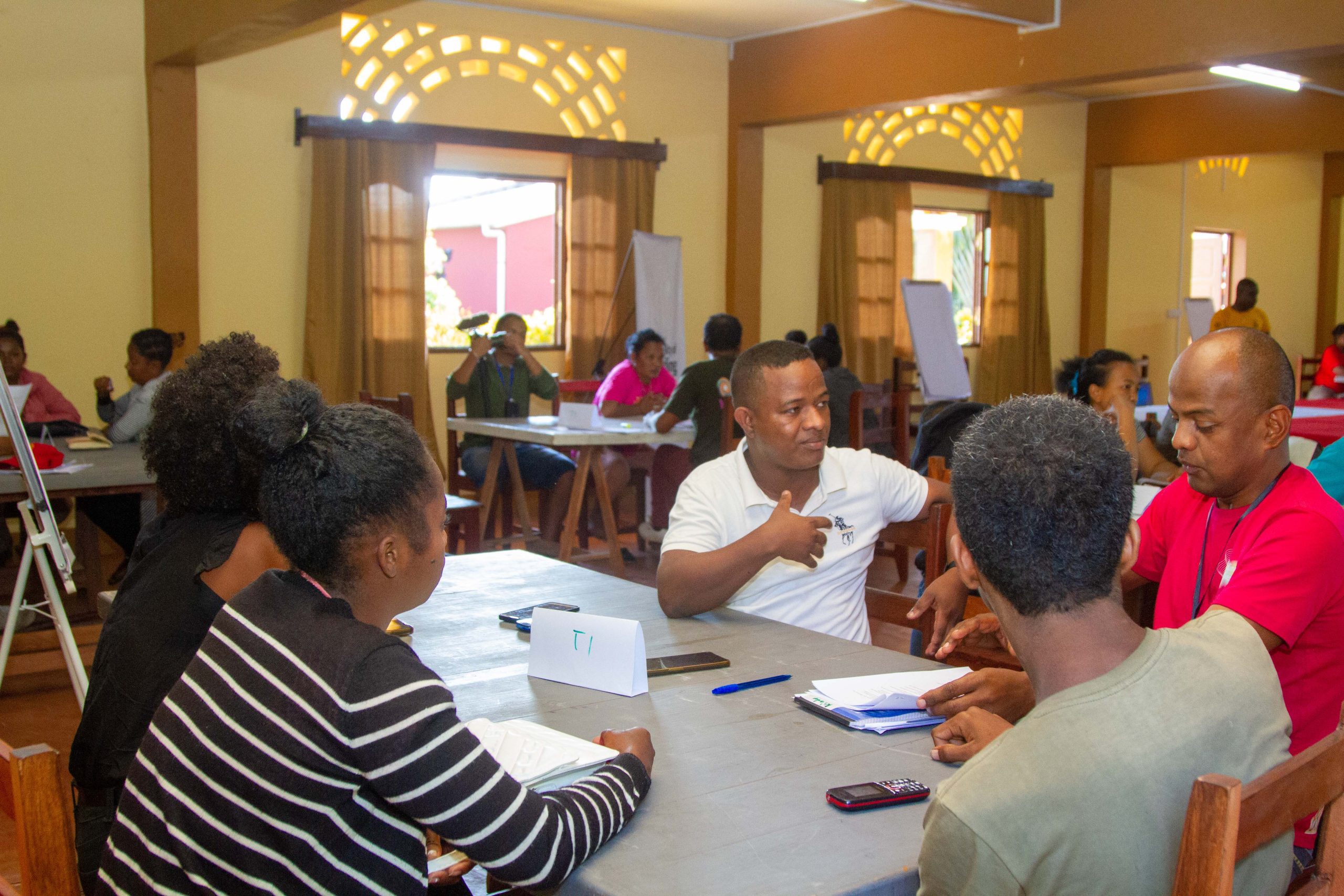
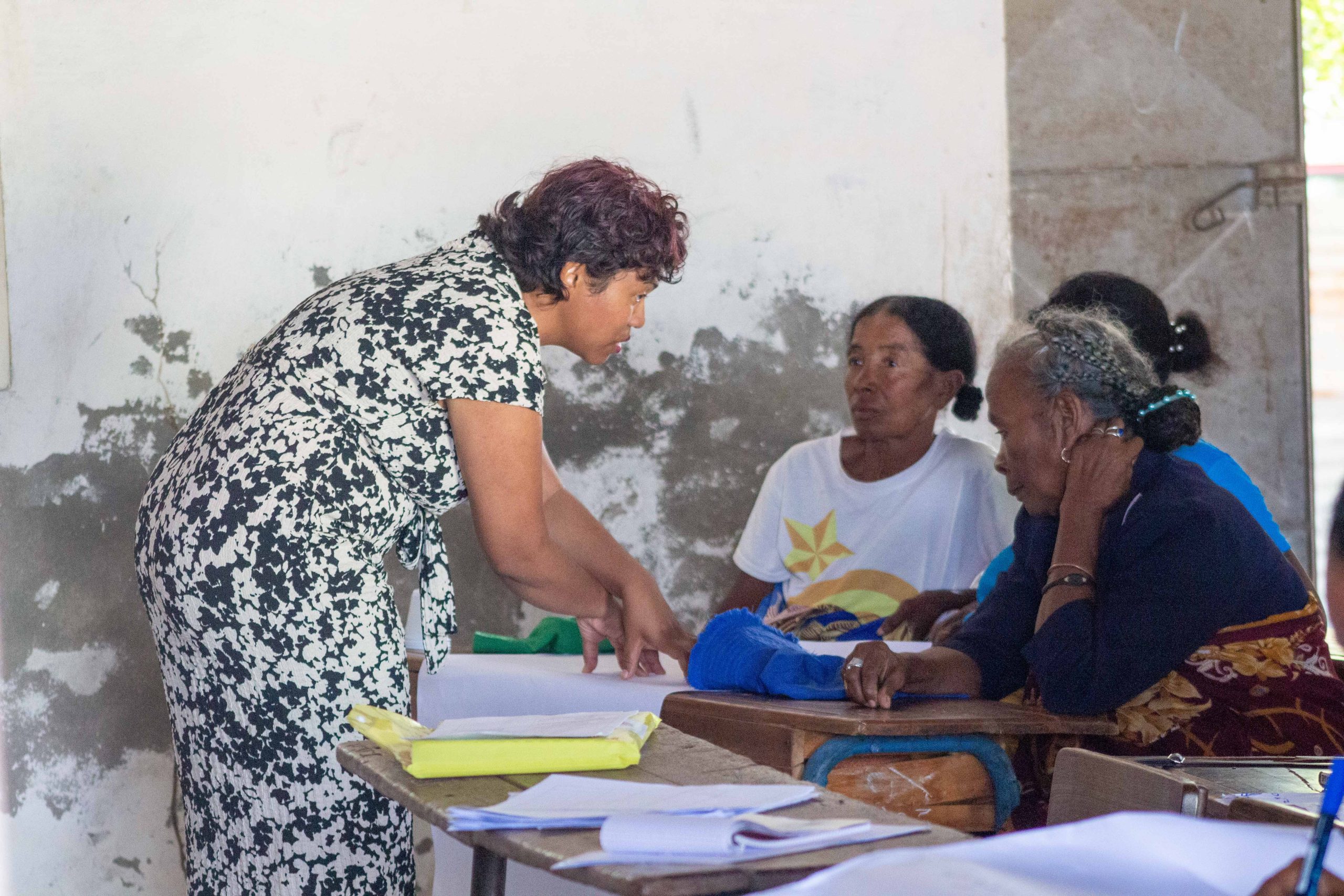
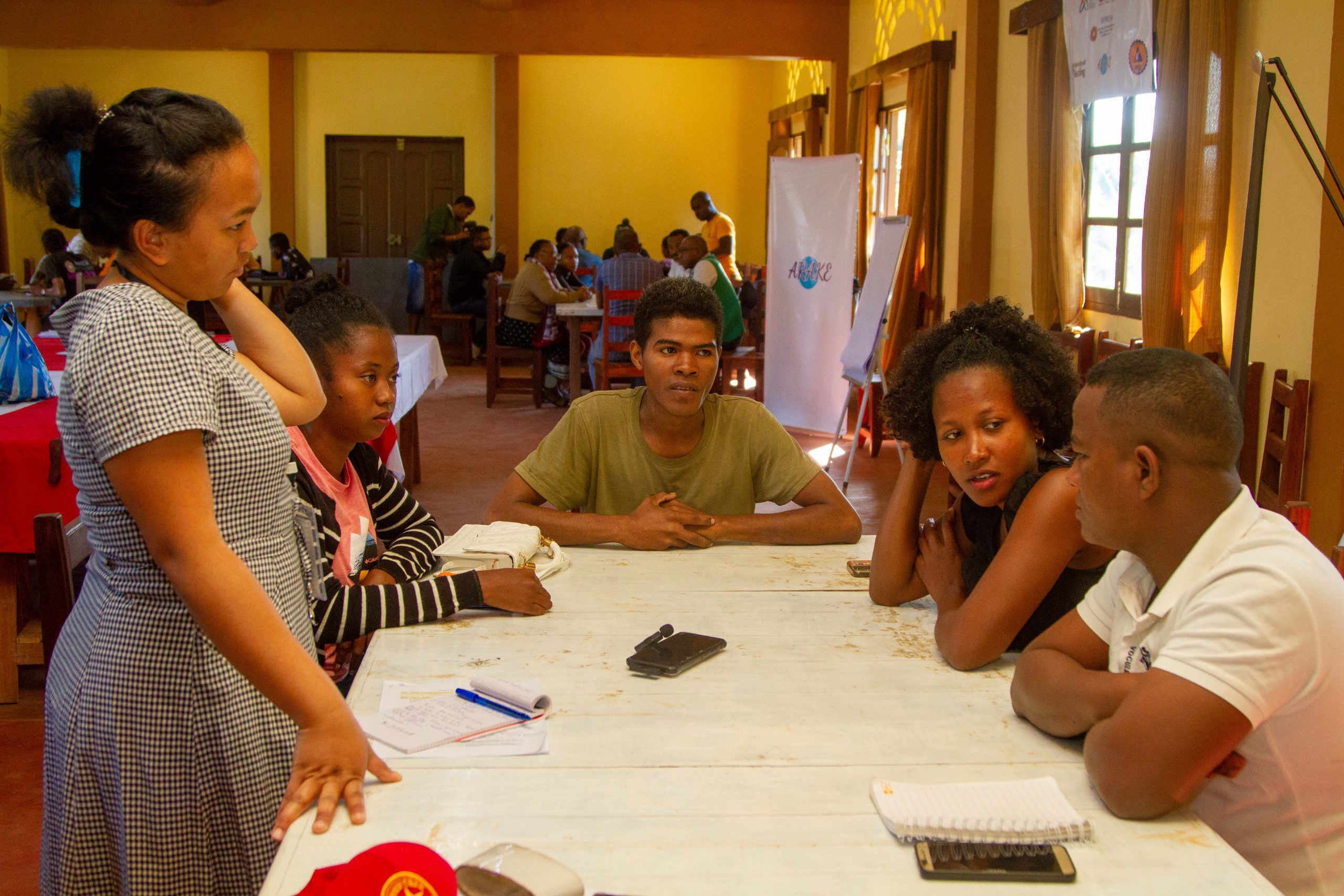
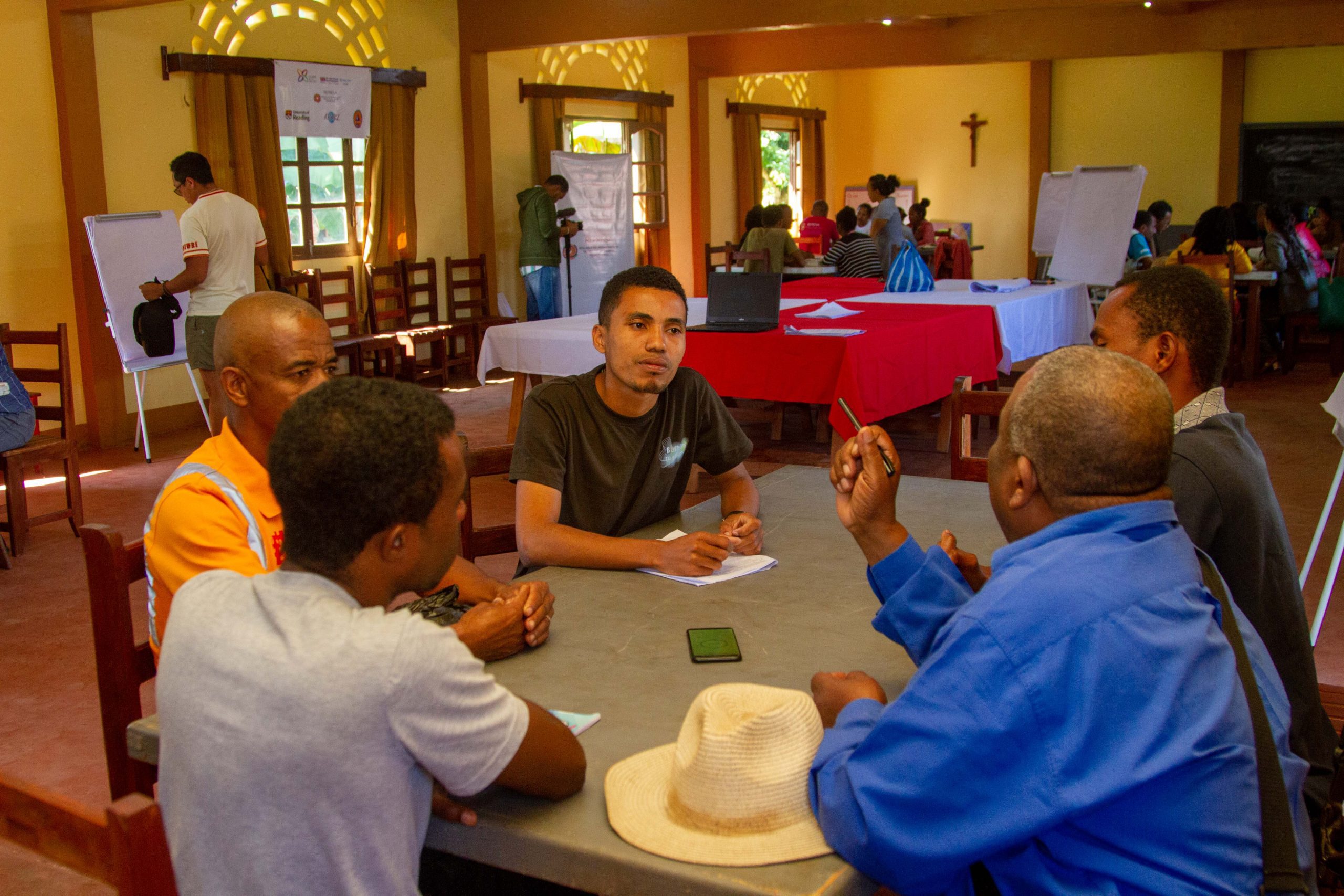
Through our data collection, we organized a series of narrative workshops across various research axes, including climate change perception and adaptation options in the fields of agriculture, infrastructure, fisheries and aquatic resources, early warning systems and community risk management (CRM), as well as migration patterns. These workshops brought together small groups of 6 to 12 participants to share personal stories and experiences in a safe, open environment. Narrative workshops are specifically designed to encourage deep reflection, allowing participants to express their emotions and perspectives on what could be complex themes. This participatory approach offers rich qualitative insights, more precision on the originality of the expression of the stories and the emotions of the participants on the research themes.
What are narrative workshops?
Narrative workshops are a qualitative research method designed to capture the lived experiences and unique perspectives of individuals. Unlike traditional focus groups, they emphasize storytelling as a means to uncover nuanced information about participants’ emotions, beliefs, and responses to specific issues. The method is particularly well-suited to the multifaceted research themes explored in our project, such as the human dimensions of climate change and migration. These workshops provide a platform for community members to voice their concerns, fostering a sense of ownership and engagement in the research process.
Key objectives of narrative workshops
The primary goal of narrative workshops is to deepen the understanding of community experiences related to the project’s research themes. This is achieved by:
- Exploring perceptions and adaptation strategies: Understanding how communities perceive climate change and the measures they adopt to mitigate its impacts.
- Evaluating Early Warning Systems: Gathering feedback on the effectiveness of existing systems and identifying areas for improvement.
- Analyzing migration dynamics: Investigating the social, economic, and environmental factors driving migration in the context of climate-related risks.
- Promoting inclusive participation: Ensuring that diverse voices, including women, youth, and marginalized groups, are heard.
Ethical considerations
We adhere to rigorous ethical guidelines. Participants were provided informed consent after being fully briefed on the research objectives and data usage. Confidentiality and anonymity were guaranteed, fostering a sense of trust and security among participants. These ethical practices were critical to ensuring the authenticity and reliability of the qualitative data collected.
Methodology and activities
Narrative workshops combined structured facilitation with open-ended discussions. Sessions were typically divided into the following components:
- Introduction and icebreakers: Establishing a comfortable environment and building rapport among participants.
- Storytelling sessions: Encouraging participants to share personal anecdotes and experiences related to the research themes.
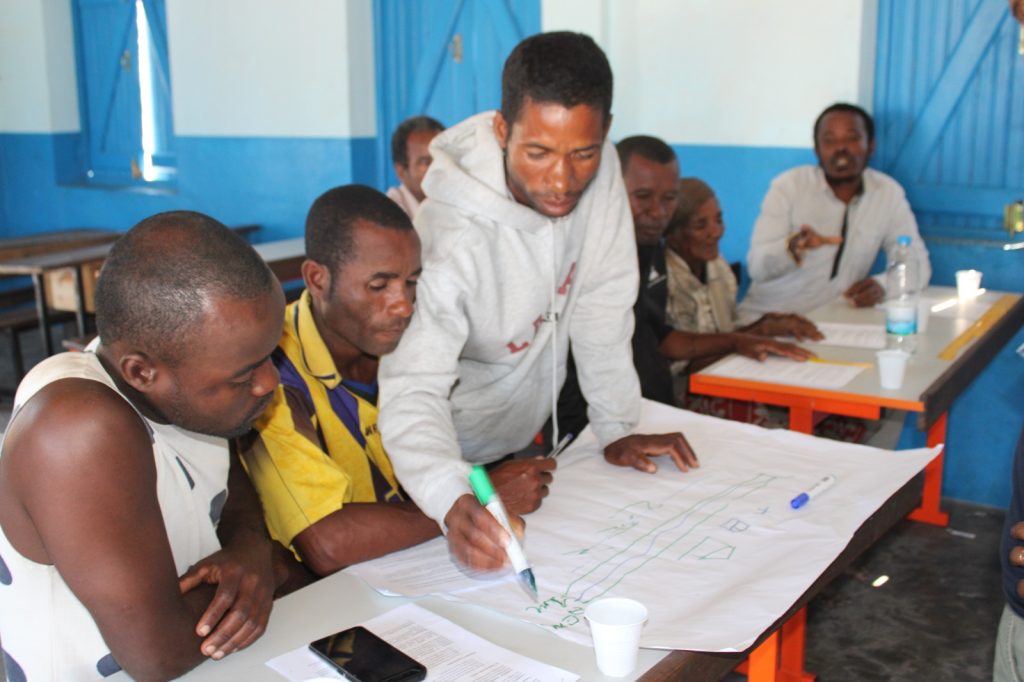
- Interactive exercises: Using visual aids, role-plays, or mapping tools to stimulate discussion and elicit deeper insights.
- Group reflections: Facilitating collective analysis and synthesis of the stories shared, highlighting common themes and divergent perspectives.
Narrative workshops are a powerful tool for uncovering the human dimensions of climate change and migration in Madagascar. When capturing the voices and experiences of local communities through storytelling, one gains a deeper understanding of the challenges and opportunities for building resilience in the face of climate-related risks.