

Every year, Madagascar faces the persistent threat of cyclones—disasters that deeply disrupt the lives of coastal communities. Among the most violent in recent decades, Cyclone Batsirai hit the Morombe region with particular force, where people live in close connection with the sea and the rhythms of nature
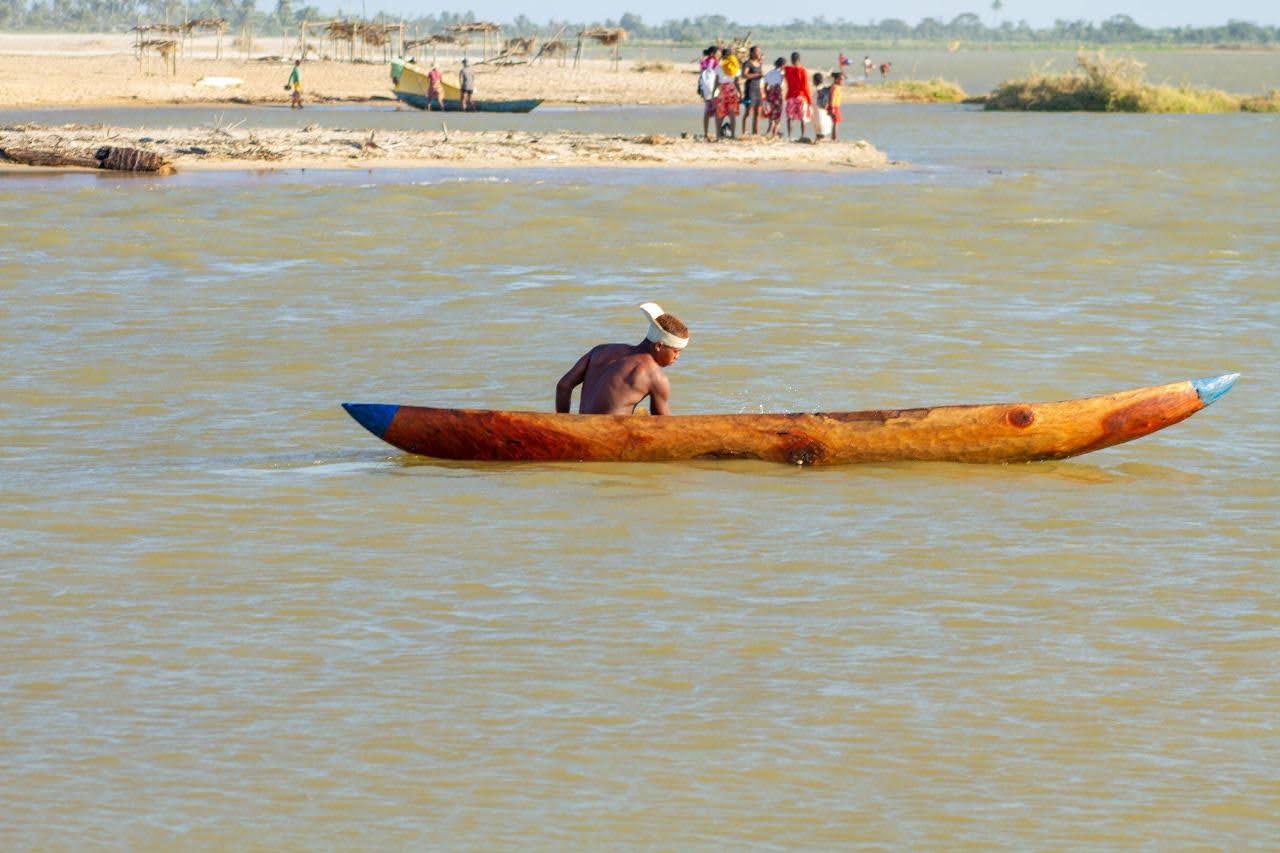
In response to this recurring danger, the Vezondriaka communities blend ancestral wisdom, spiritual practices, and modern strategies to anticipate and cope with such disasters. Yet despite their resilience, they continue to face mounting challenges—exacerbated by climate change and fragile infrastructure.
How the Vezondriaka Confront Disasters
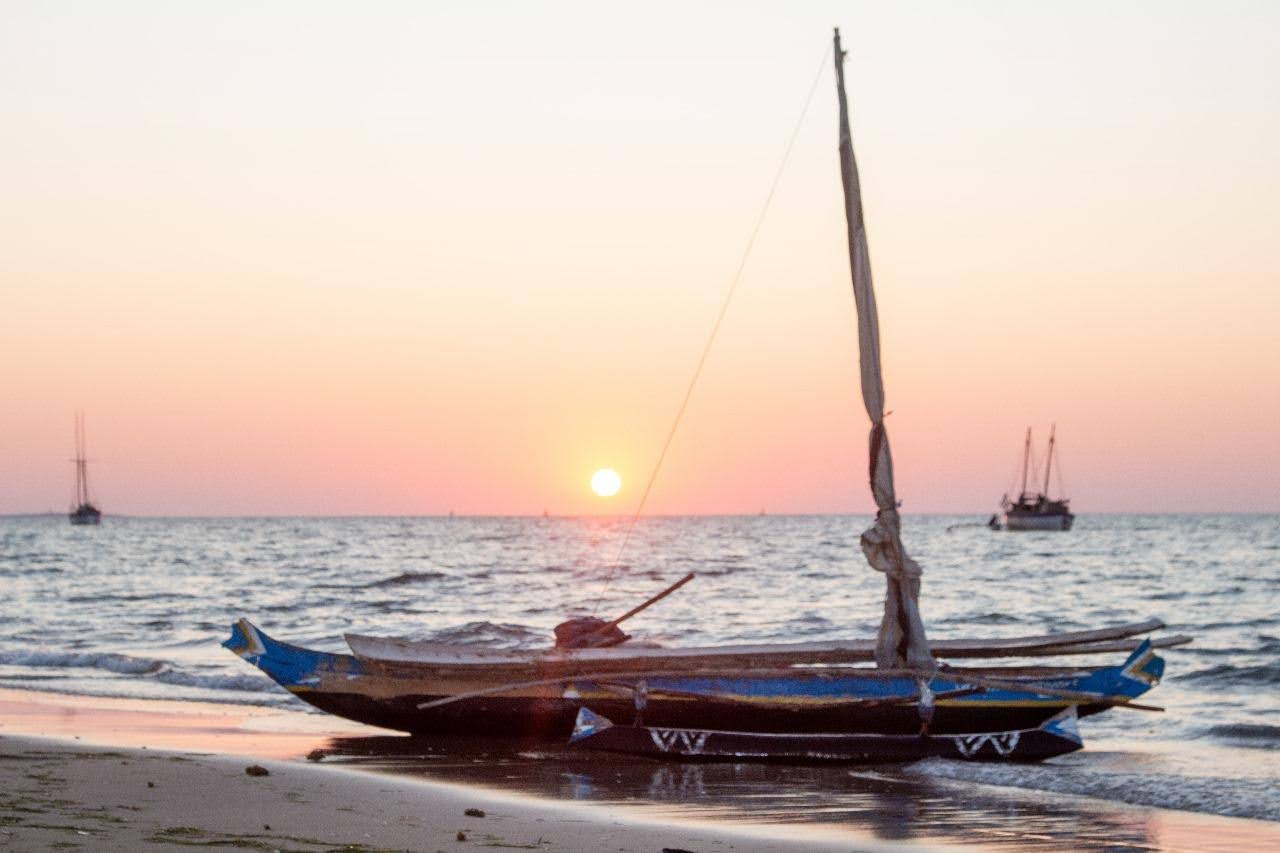
The Vezondriaka people have a unique relationship with water and the sea, which shapes their preparedness during cyclone season. Their approach integrates three key elements:
- Traditional knowledge: Similar to the Ampanjaka of Mananjary, Morombe has its own spiritual leader—the Lonake. He leads a sacred ritual known as the liturgia to honor the Razana (ancestors), during which the community prays for protection from cyclones. In return, offerings such as honey or alcohol are made.
- Observing nature: Changes in the sky—such as the stars, moon phases, and wind patterns—are interpreted as natural signs that help predict weather changes. This local knowledge complements official meteorological alerts.
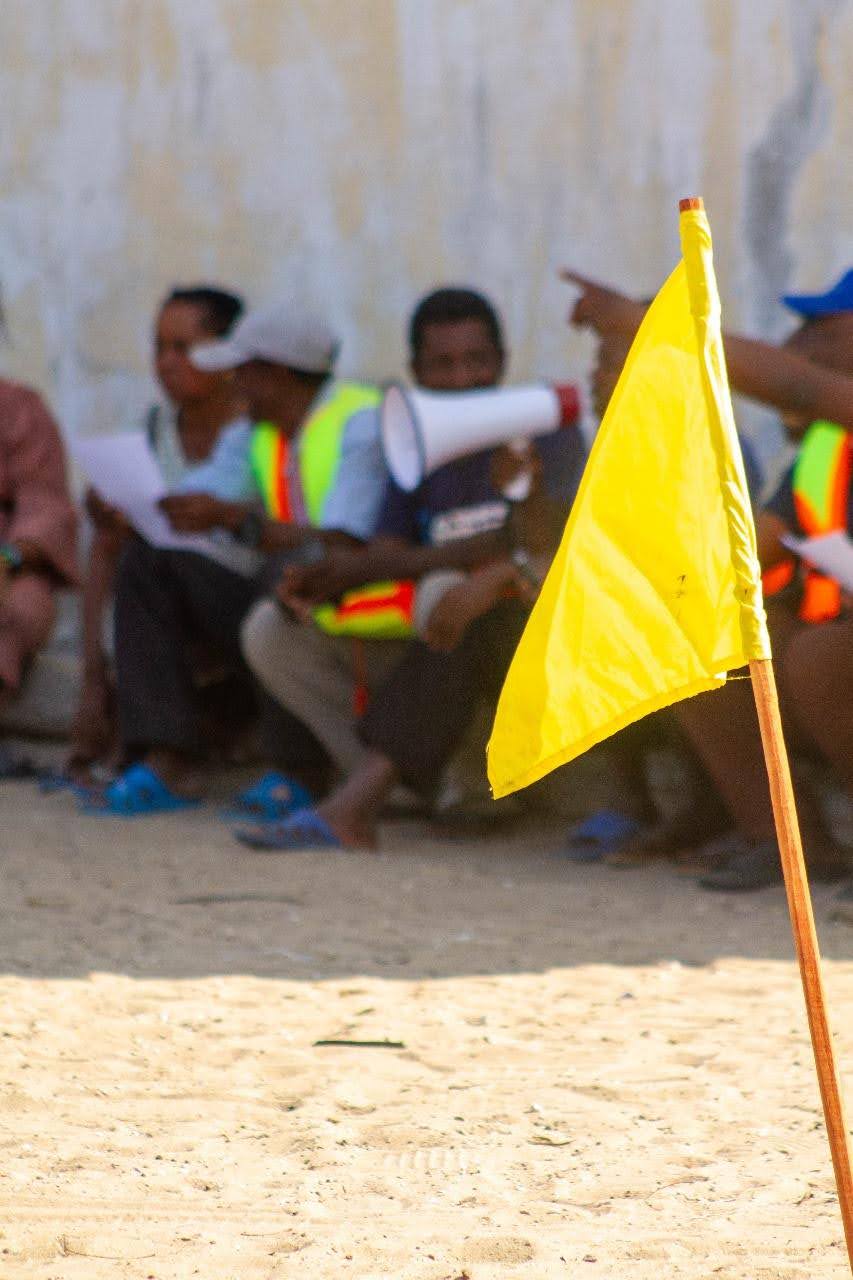
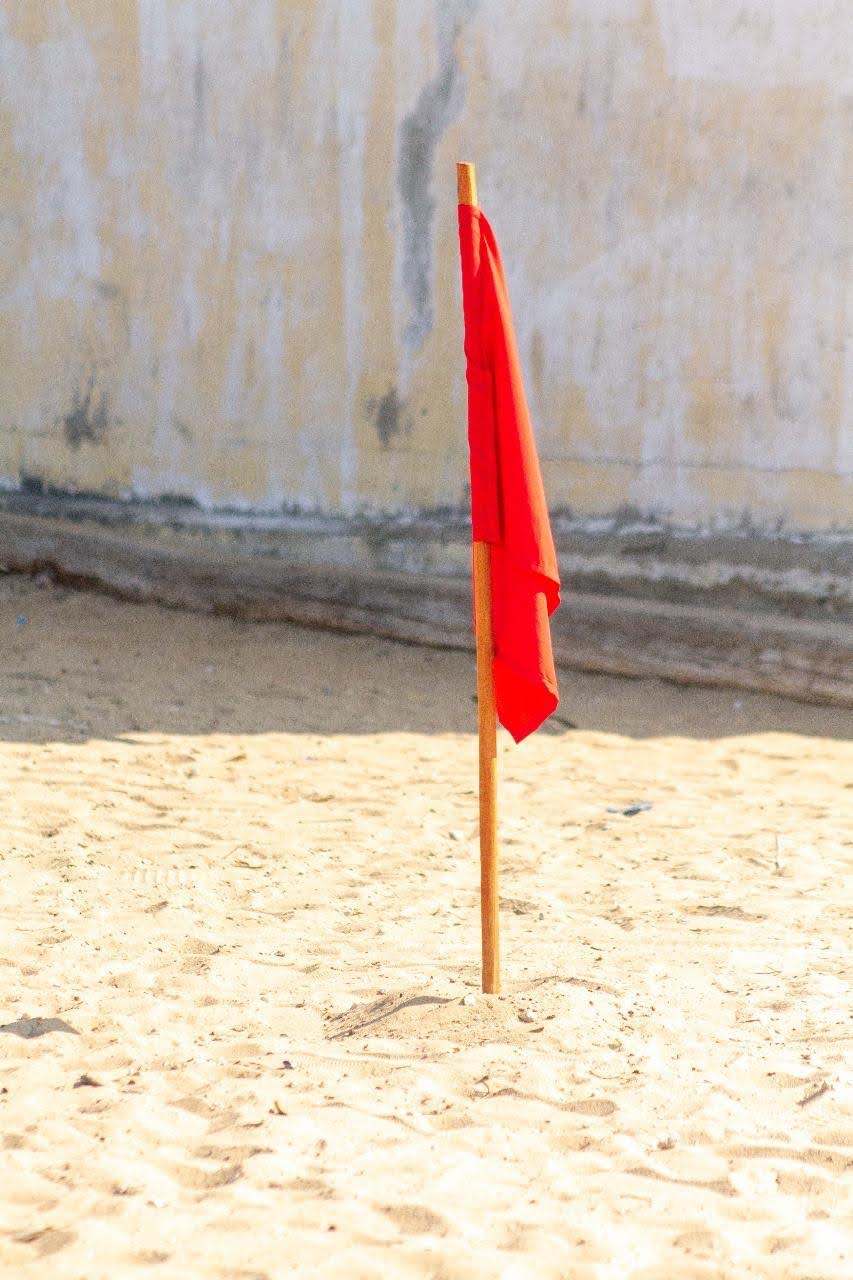
- Modern communication tools: Color-coded flags are used to signal danger levels to fishers, providing an accessible and community-wide early warning system.
During emergencies, various local teams mobilize:
- Refuge coordination: Teams organize safe shelters, including ELS (Équipe Locale de Secours or Local Emergency Teams).
- Resource management: Others focus on the distribution and coordination of food supplies.
However, as one descendant of the Lonake noted, ancestral beliefs and rituals are increasingly being lost among younger generations, threatening the preservation of this rich and valuable heritage.
The Impact of Cyclone Batsirai in Morombe
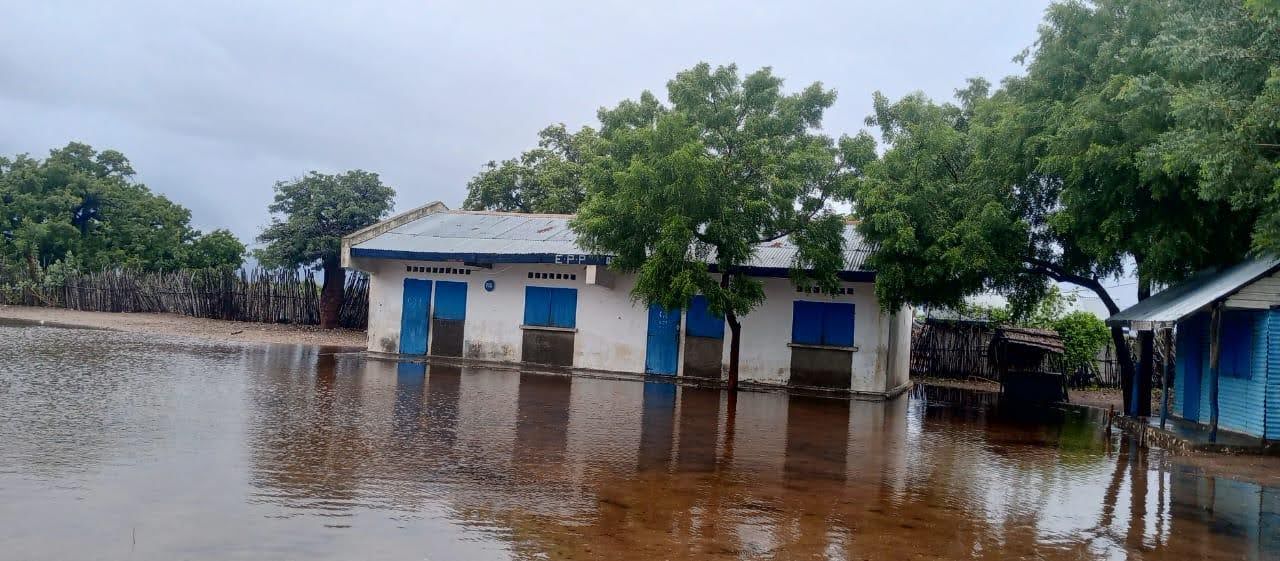
Cyclone Batsirai inflicted severe damage on multiple levels:
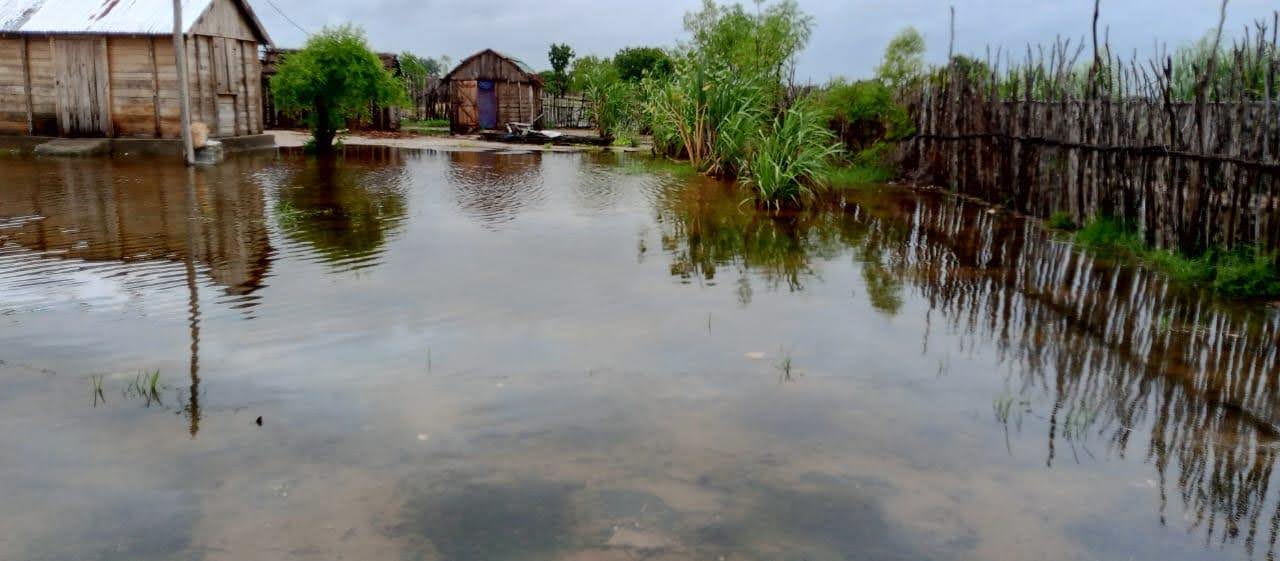
- Agricultural losses: Fields were destroyed, rice paddies flooded, and farmers faced devastating crop losses
- Economic hardship: The local economy, heavily reliant on fishing and agriculture, was brought to a standstill, triggering a localized crisis.
- Cultural erosion: Despite the rituals led by the Lonake, the repeated impact of cyclones has weakened confidence in spiritual practices for some, eroding social cohesion and cultural identity.
Barriers to Building Resilience
Local authorities and residents, including Morombe’s mayor (Ben’ny Tanana), Mr. Adolphe, have identified key barriers to long-term recovery and preparedness:
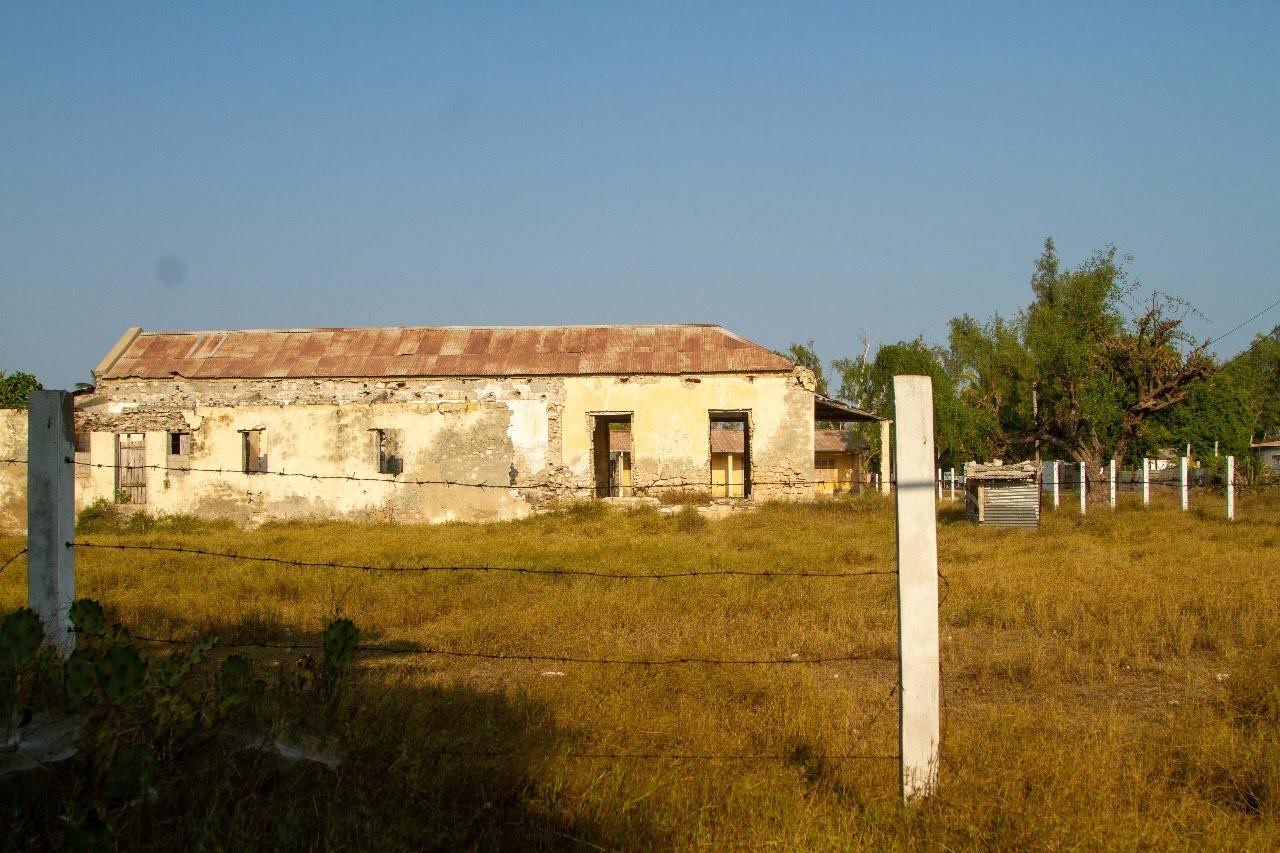
- Slow reconstruction: Infrastructure repair remains slow and insufficient, even with joint efforts from the state and local farmers.
- Inadequate drainage: A lack of systems to efficiently drain rainwater exacerbates flooding risks.
- Limited shelter options: The number of emergency shelters is far from adequate, increasing both human and material losses.
- Accessibility challenges: People with disabilities face significant obstacles in reaching safety, limiting both their protection and inclusion in emergency responses.
Bridging tradition and modernity for stronger resilience
Morombe’s experience with Cyclone Batsirai shows that effective resilience requires a careful balance between ancestral traditions and modern disaster-response systems. Preserving traditional knowledge—such as the rituals of the Lonake and the practice of interpreting natural signs—remains essential for community preparedness.
But these cultural strengths must be supported by concrete investments in infrastructure, inclusive planning, and improved emergency services—especially for the most vulnerable.
As climate risks continue to rise, protecting cultural heritage and strengthening community solidarity are not only matters of identity but vital strategies for building a safer, more sustainable future.
“In Morombe, tradition and resilience go hand in hand. But for communities to thrive, they must be supported, protected, and included—before, during, and after disaster strikes.”
By Salohiarisoa Rebeckah & Dr Velomahanina Tahinjanahary RAZAKAMAHARAVO