

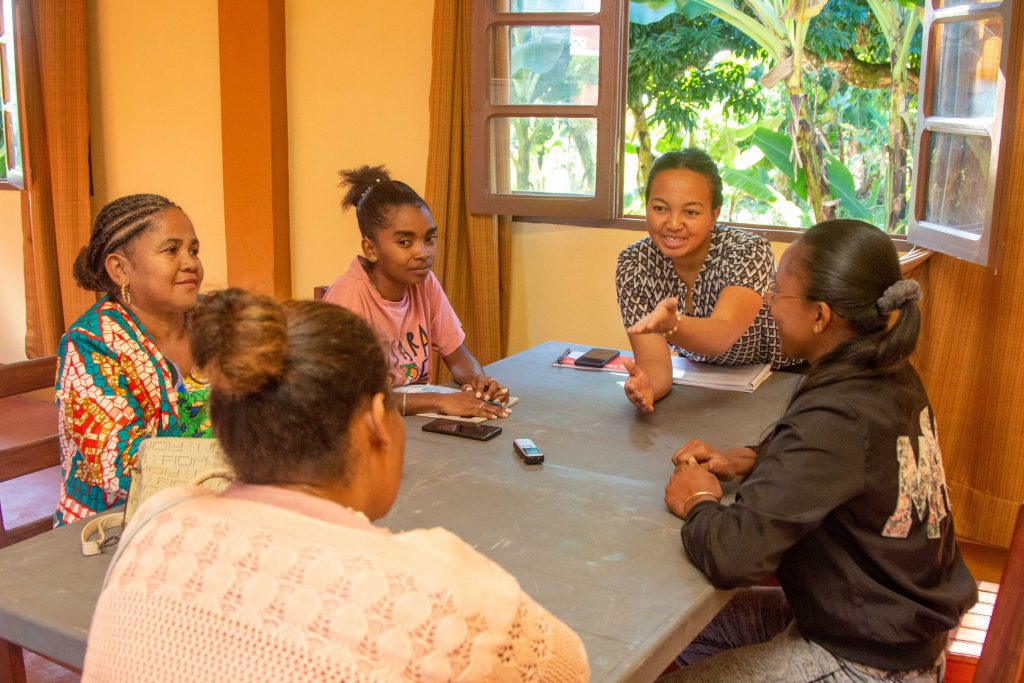
The main aim of our World Café was to come together, explore, and create solutions that matter. We set out to:
- Strengthen or set up Community Early Warning Systems: How can we improve the ways we prepare for cyclones and floods? We wanted to explore anticipatory governance and empower communities to take action.
- Explore Climate Change Adaptation: From agriculture to fisheries, education, and health, we wanted to understand how each sector is affected by climate change and find ways to build resilience.
- Encourage Collaboration Across Sectors: We brought together local communities, experts, and policymakers to spark conversations and create solutions that work for everyone.
- Generate Actionable Insights: We did not just want to talk about problems—we wanted to find real solutions, so we can act on them.
Our World Café was designed to be hands-on and thought-provoking. Each discussion table focused on a different aspect of climate change adaptation, allowing participants to engage in deep, meaningful conversations. The format encouraged everyone to share their ideas and experiences, ensuring that solutions were rooted in real-world challenges and opportunities.
 The Heart of the Discussions: Participants rotated between different tables, each addressing specific themes:
- Contextual Information & Anticipatory Governance: How can we be proactive in the face of extreme weather? Participants shared ideas on anticipatory governance—taking action before disasters strike. They explored how local communities can better prepare for cyclones and floods by taking the lead in planning and response.
- Sector-Specific Adaptation Strategies:
- Agriculture: We discussed how cyclones and floods hurt crops, soil, and farming. But we also explored solutions like resilient seeds and combining local knowledge with modern science to improve crop yields and soil health.
- Fisheries: Coastal and inland communities face huge challenges with extreme weather, and the fish stocks they depend on are in jeopardy. Discussions focused on protecting marine ecosystems, improving fishing techniques, and ensuring communities can bounce back stronger.
- Education: Schools are often disrupted by cyclones and floods, but there are ways to ensure students can keep learning. We explored ideas like building stronger schools, using digital tools for remote learning, and developing emergency plans.
- Infrastructure: The impacts on roads, healthcare facilities, and other critical infrastructure were explored. How can we build better, more resilient infrastructure that can stand up to extreme weather? The conversation focused on urban planning, construction techniques, and innovative solutions.
- Health: Healthcare systems are stretched during disasters, with service interruptions and mental health challenges. Participants brainstormed ways to strengthen health infrastructure, improve medical supplies, and integrate climate risk into health policies.
- Risk Monitoring & Stakeholder Engagement: How can we better detect and monitor cyclones and floods? We discussed using new technologies, improving early warning systems, and bringing stakeholders together—including local communities, government agencies, and disaster response teams.
- Preparedness Actions, Decision-Making, and Evacuation Plans: What happens when an alert is issued? The group talked about how decisions are made in the heat of the moment, how communities prepare for evacuations, and the steps needed to keep everyone safe during a disaster.
The World Café sessions were designed to generate practical, actionable solutions. Here’s what we hoped to walk away with:
- Deeper Understanding: We would gain a clearer picture of how early warning systems and anticipatory governance can better protect communities from cyclones and floods.
- Identifying Key Challenges: The discussions would help us pinpoint the major hurdles to implementing effective climate adaptation strategies and early warning systems.
- Actionable Solutions: The ideas shared would be be turned into concrete recommendations to improve climate change resilience across various sectors.
- Empowering Communities: Perhaps most importantly, the World Café would empower local communities to take action, giving them a voice in building resilience and preparing for future challenges.
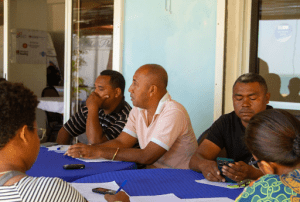
The World Café was more than just a meeting—it was a step toward building stronger, more resilient communities. We aim to ensure that solutions are not only effective but also tailored to the needs of the people most affected by climate change in Madagascar by creating a space for open dialogue and collaboration.
As we continue to work together to improve early warning systems and adapt to the impacts of climate change, the World Café sessions have laid the foundation for future efforts. With diverse voices and actionable ideas, we’re one step closer to building a more resilient future for Madagascar.