

In a country confronted with the multidimensional impacts of climate change, poverty, and environmental degradation, research is not a luxury — it is a necessity. Yet, Madagascar’s scientific community often works in silos, hindered by limited institutional support, fragmented collaboration, and difficulties accessing global academic platforms. In this context, recent collaborative research encounters — led by the NGO ARAKE in partnership with ISCAM’s Botlab, the Mitsilo Lab, CERCOM, and researchers from the University of Toliara — represent a strategic turning point toward a more integrated and impactful national research ecosystem.
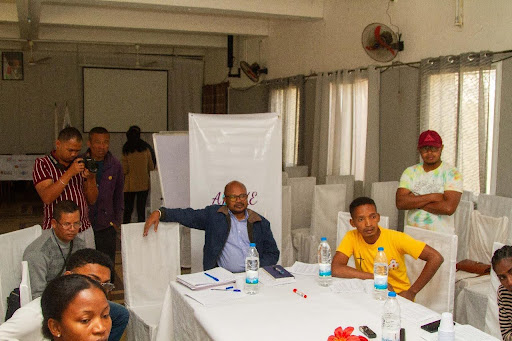
From conversation to collaboration: A new research dynamic
These encounters were not just academic meetings — they served as incubators for collaboration and innovation. The primary goal was clear: to create a platform where researchers, institutions, and practitioners could collectively identify the structural challenges facing research in Madagascar and begin co-developing concrete solutions.
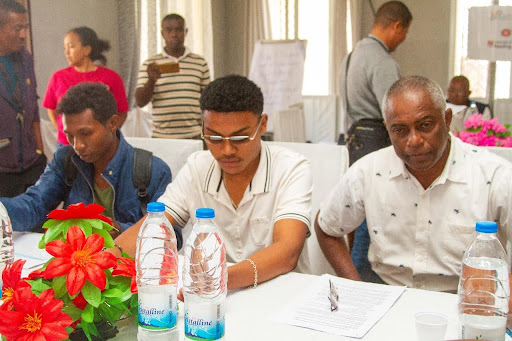
By bringing together stakeholders from diverse disciplines and institutions — including key representatives from the University of Antananarivo and the University of Toliara — these events catalyzed:
- In-depth dialogue between universities;
- Cross-pollination of ideas between technical research labs and social science faculties;
- Greater awareness of the interconnectedness between climate research, development, migration, and resilience.
An integrated approach: Thematic breadth and interdisciplinarity
One of the major strengths of these encounters lies in their broad thematic scope. Discussions focused on:
- Agricultural innovation and sustainable land use;
- Environmental resilience and disaster risk reduction;
- Human mobility in the context of environmental stressors;
- Corporate Social Responsibility (CSR) as a lever for sustainable development.
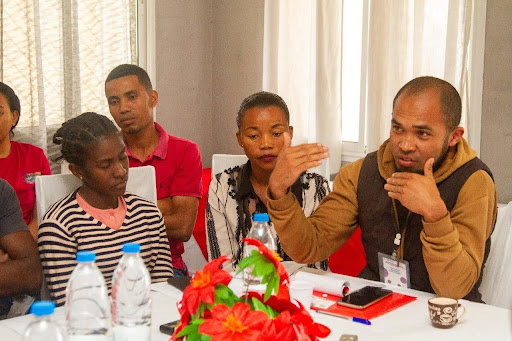
This interdisciplinary approach reflects the complexity of real-world challenges. Madagascar’s regions prone to cyclones and drought, for example, require more than meteorological data — they demand an integrated understanding of livelihood systems, institutional responses, cultural practices, and communication tools like Early Warning Systems (EWS).
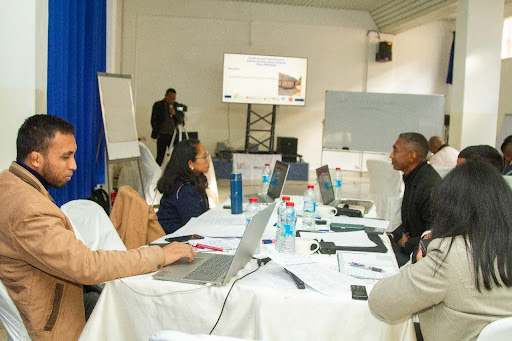
The role of youth and emerging researchers
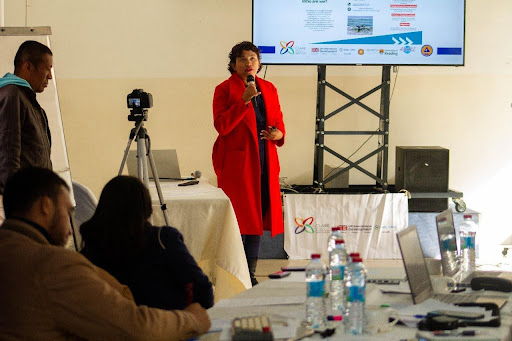
The participation of young researchers and doctoral students, especially those involved in the REPRESA project, was also a highlight of these encounters. Their presence reflects a deliberate strategy to decentralize knowledge production and strengthen the national pool of talent capable of leading research in the years to come.
These encounters offered mentorship, visibility, and practical skills — elements often missing from formal university curricula. By engaging students and young faculty from various regions of the country, including regional institutions like the University of Toliara, the initiative also challenges the capital-centric concentration of research in Madagascar.
Toward a national collaborative research platform
One of the most promising outcomes of these exchanges is the collective momentum toward creating a national scientific platform. This platform, envisioned as a space for coordination, innovation, and shared knowledge production, aims to:
- Encourage joint research projects between universities and NGOs;
- Facilitate open access to data and publications;
- Align research priorities with local development needs and international academic standards.
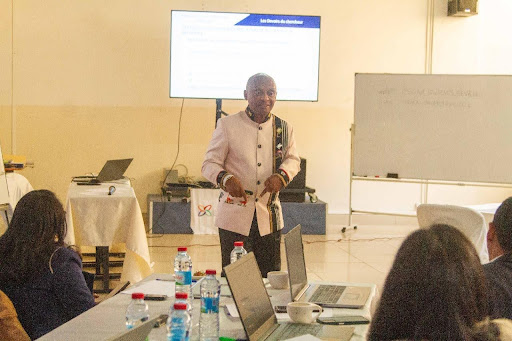
Such a platform would not only address current fragmentation, but also amplify the voice of Malagasy researchers in regional and global scientific debates — a long-standing gap that undermines both visibility and impact.
The research encounters organized by ARAKE, ISCAM, and their academic partners are much more than institutional milestones; they represent a strategic shift in how research is conceptualized, conducted, and communicated in Madagascar. By promoting collaboration, interdisciplinarity, and a culture of shared inquiry, these meetings open the door to a more resilient, inclusive, and informed future — grounded in evidence, led by local expertise, and responsive to the urgent challenges of our time.
As this scientific community looks to the future, the establishment of a national collaborative platform could mark a decisive turning point: the move from isolated initiatives to a coherent, dynamic, and impactful research ecosystem — one that truly serves the country and its people.
Written by Ny Ony Patricia ANDRIAMAHENINTSOA & Dr Velomahanina Tahinjanahary RAZAKAMAHARAVO