
Capturing authentic community insights with an innovative approach
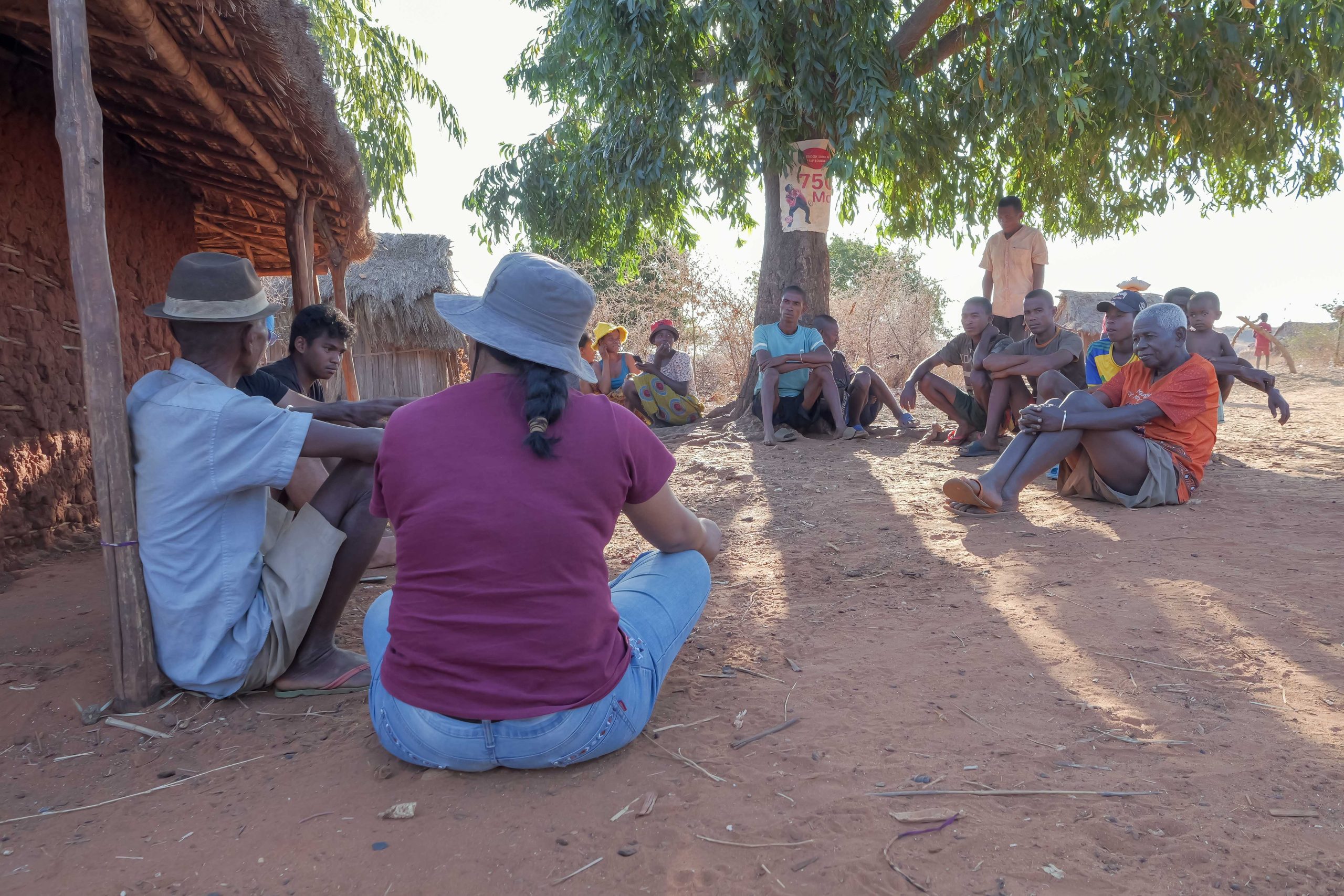
During our research mission in Mananjary, Morombe, Ankarafantsika, and Mitsinjo, we embraced an innovative and flexible methodology for data collection that went beyond the conventional. At the heart of this mission was a household visit approach that intentionally broke away from traditional, rigid frameworks. Instead of pre-selecting participants and confining ourselves to formal interviews, we adopted an open and spontaneous strategy, engaging members of local communities in their natural environments and daily routines. This immersive experience offered a treasure trove of insights and strengthened our commitment to creating a data collection process that respects the rhythms of community life while offering a genuine platform for voices often unheard.
Bringing data collection to life
The primary goal of this methodology was to collect authentic and representative information on key themes affecting these communities. By focusing on climate change adaptation strategies, early warning systems, and migration dynamics, we aimed to uncover nuanced realities. Immersing ourselves in the daily lives of the people allowed us to gather data that extended beyond surface-level observations, providing deeper insights into how communities adapt, prepare, and navigate the challenges they face.
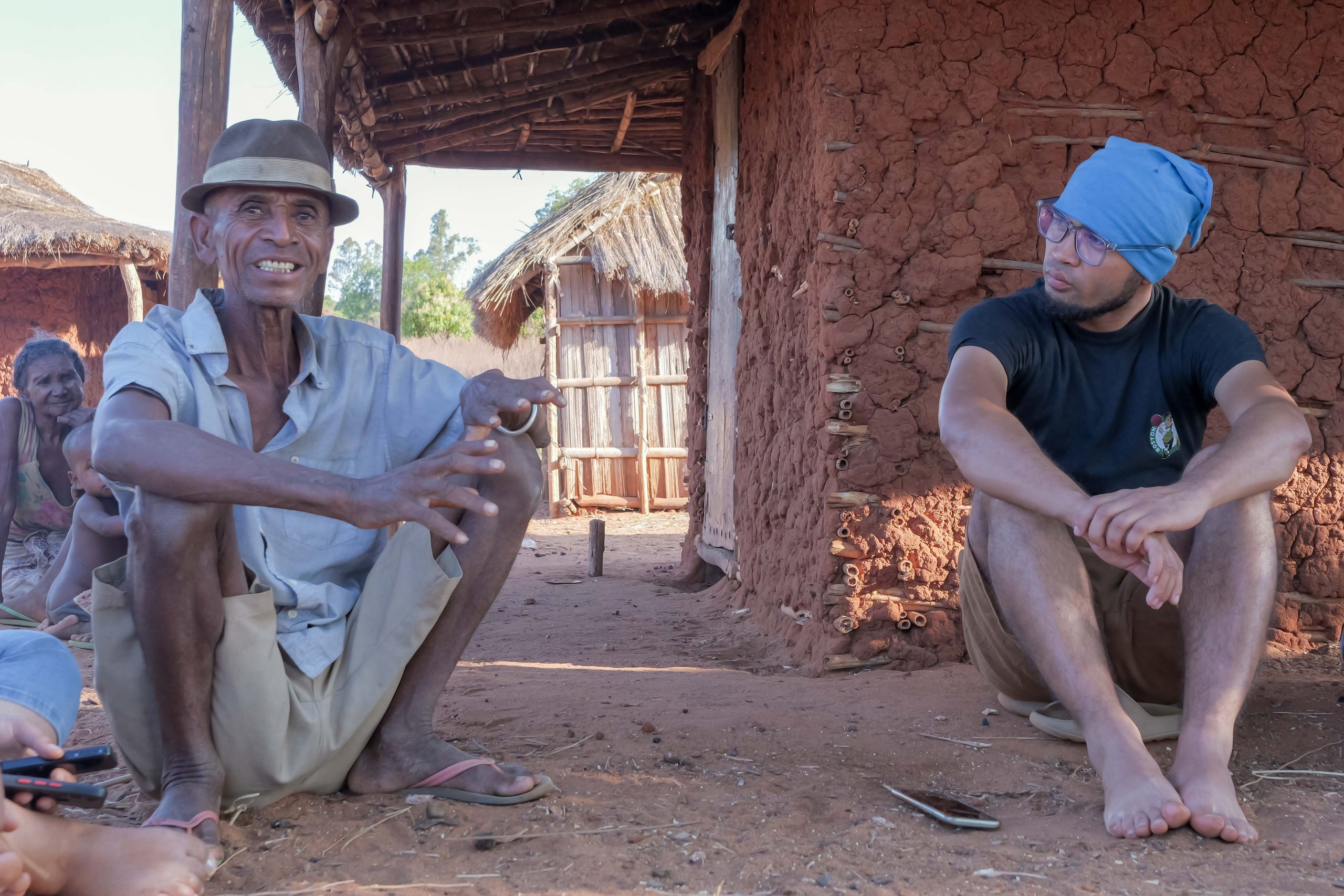
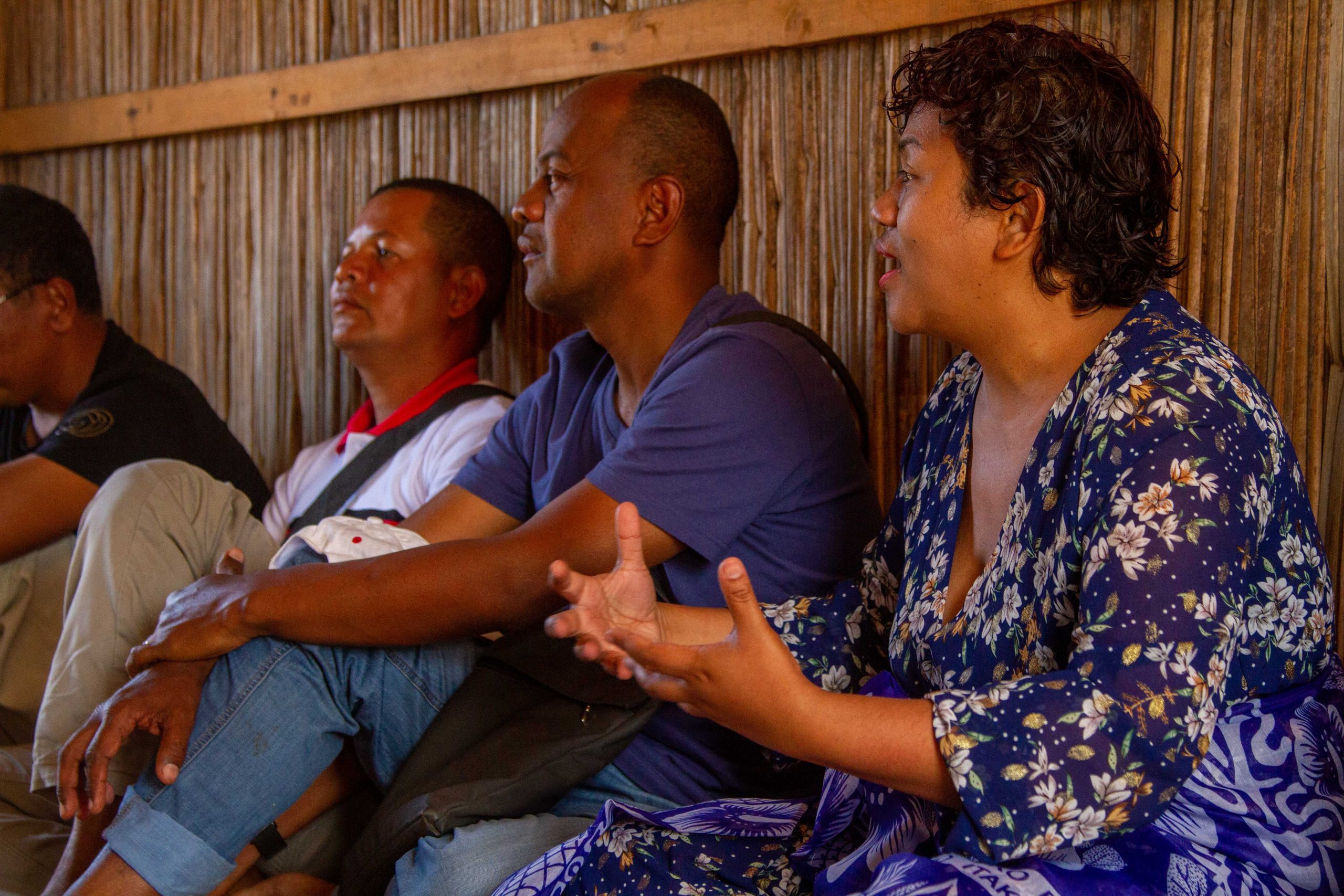
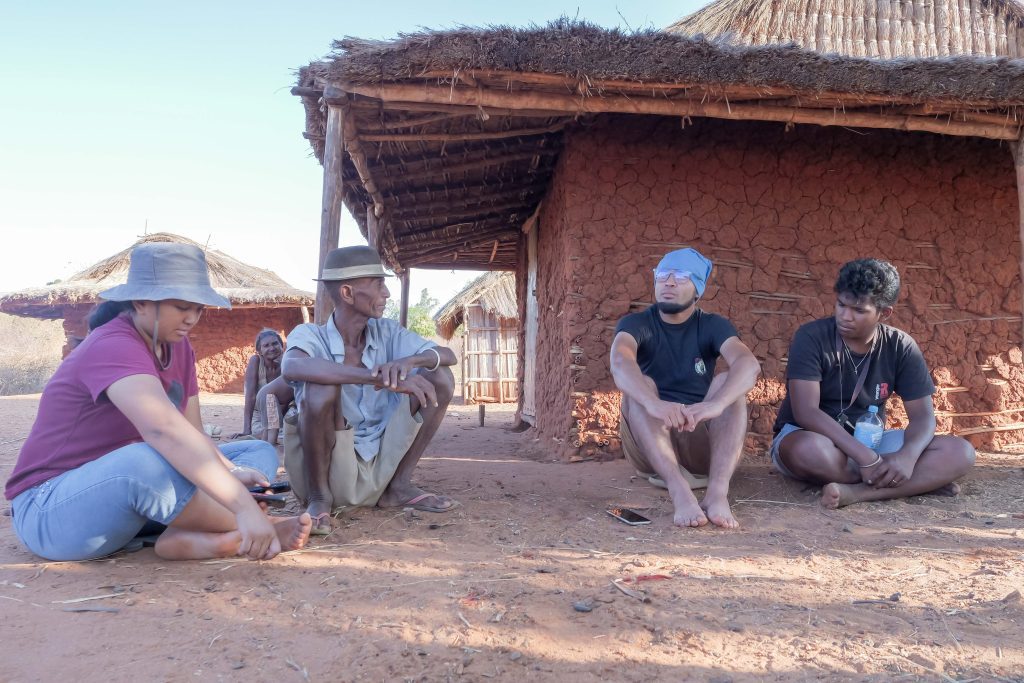
Unlike traditional approaches, our interviews were not confined to structured, pre-arranged settings. Researchers met participants in their most familiar environments: in homes, in the fields, along the roads, and in communal spaces. These spontaneous encounters fostered natural and open exchanges, allowing participants to share their lived experiences more freely. Whether it was a farmer reflecting on the impact of erratic weather on crops or a herder recounting how livestock grazing patterns have shifted, the conversations became vibrant narratives of resilience, hope, and adaptability.
Ethics and engagement: building trust
Respect and transparency were the pillars of our approach. Before every interview, researchers obtained informed consent, ensuring participants fully understood the purpose of the research and their role within it. This clarity built trust, empowering individuals to share their insights without hesitation. Questions were tailored to the unique contexts of participants, making the exchanges more relevant and meaningful. By focusing on their realities and respecting their routines, we not only collected data but also created an atmosphere of mutual respect and collaboration.
To support these efforts, we used detailed and thoughtfully designed questionnaires to explore specific themes in depth. These tools enabled us to examine the perceptions and experiences of diverse community members, including farmers adapting to climate change, families grappling with migration challenges, and local leaders describing the effectiveness of early warning systems. The combination of open-ended interviews and structured questionnaires provided a comprehensive understanding of the social, economic, and environmental issues these communities face.
Immersion: A journey of mutual learning
By engaging with individuals in their natural settings, we gained an authentic understanding of how they perceive and respond to challenges. This approach revealed hidden dynamics, highlighted adaptive strategies, and demonstrated the importance of flexibility in research methodologies. Through this process, we uncovered valuable insights into how climate change affects livelihoods, how crisis warnings are managed locally, and how migration impacts households and communities.
These household visits became much more than just a data collection exercise, they were a journey of mutual learning and exchange. By stepping into the world of these communities, we were able to amplify their voices and bring attention to their realities. This immersive methodology not only enriched our research but also deepened our appreciation for the resilience and adaptability of the people at the heart of our study. Ultimately, this experience underscored the importance of inclusivity and adaptability in data collection practices, ensuring that the voices of those most affected are heard and valued.